Why Xi Jinping and Vladimir Putin’s Beijing Meeting Signals Shifting Global Alliances
Xi Jinping and Vladimir Putin met in Beijing just days after Donald Trump's visit, marking a critical moment in China-Russia relations with wider geopolitical implications.
The quick version
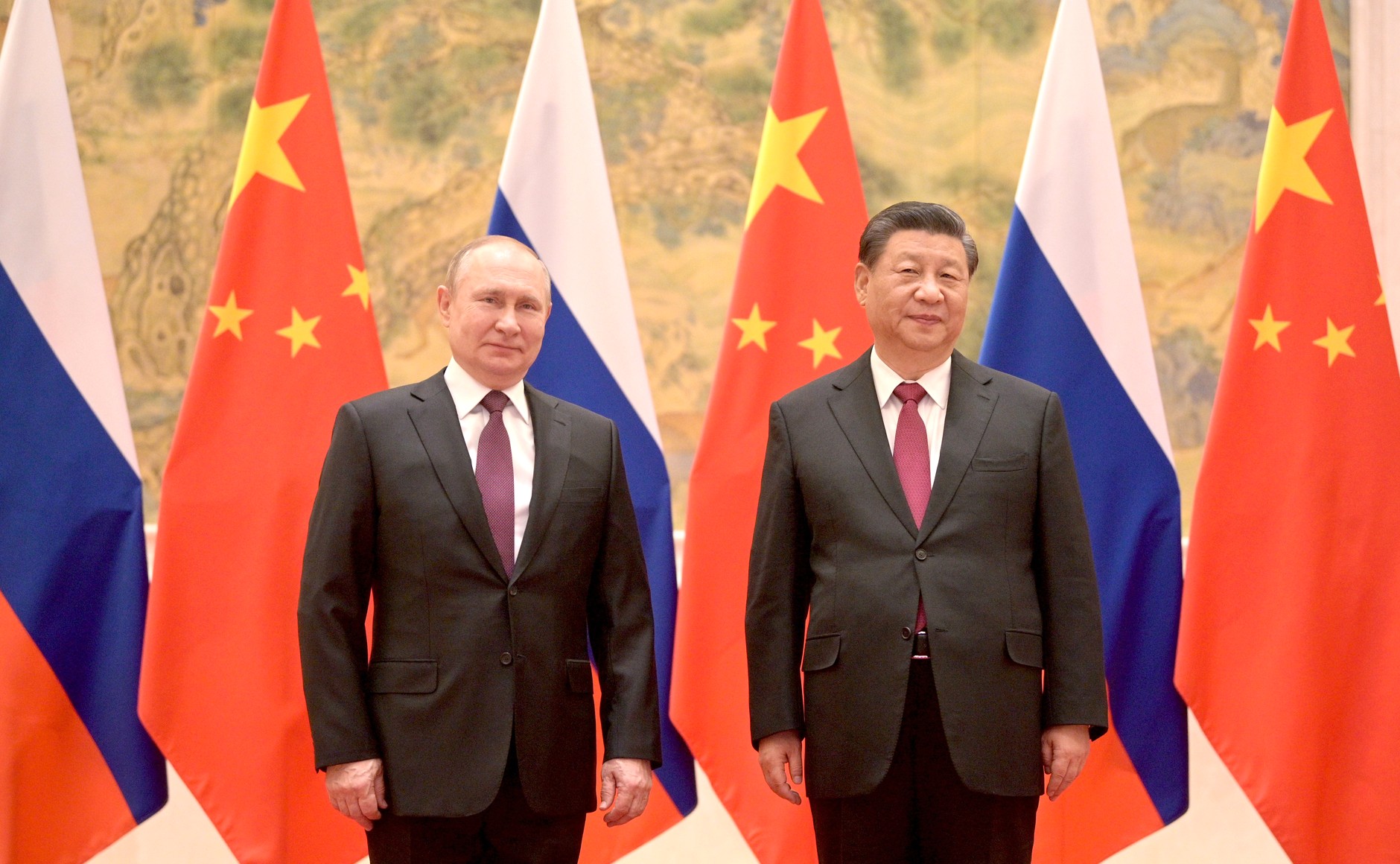
China’s President Xi Jinping met with Russian President Vladimir Putin in Beijing less than a week after former U.S. President Donald Trump visited the city. This high-profile meeting underscores the increasingly strategic partnership between Beijing and Moscow amid rising global tensions. Both leaders stressed the unprecedented strength of their bilateral ties, framing the alliance as a significant counterbalance to Western influence.
What happened
Russian President Vladimir Putin traveled to Beijing for a summit with Xi Jinping shortly after Donald Trump’s visit to the Chinese capital. During the talks, Putin declared that Russia-China relations had reached an "unprecedentedly high level," reflecting deepening cooperation across political, economic, and security spheres. Xi Jinping expressed concerns about global stability, warning that the world risked reverting to a “law of the jungle” scenario, highlighting fears of increased geopolitical confrontation and disorder.
The timing of this summit is highly significant, coming against the backdrop of Russia’s protracted war in Ukraine and escalating U.S.-China rivalry. The meeting included discussions on strengthening coordination in diplomacy, defense, energy, and trade. Both leaders emphasized their commitment to resisting Western sanctions and what they see as interference in their domestic affairs.
Why it matters
This summit represents more than a simple diplomatic exchange—it signals a strategic alignment between two of the world’s most powerful nations at a time of heightened global uncertainty. With Western countries united in imposing economic sanctions on Russia and increasing pressure on China over Taiwan and technology competition, closer Russia-China ties have the potential to disrupt established global power dynamics.
Their growing partnership could enable coordinated diplomatic moves to counterbalance the West’s influence in international institutions and on global security issues. Enhanced military cooperation between Moscow and Beijing may also alter security calculations, particularly in sensitive regions like Eastern Europe and the Taiwan Strait.
The bigger picture
The Beijing meeting follows a week marked by significant diplomatic activity, notably Donald Trump’s visit to China. This sequence of high-level engagements—U.S., Russia, and China all converging on Beijing—hints at a possible evolution towards more complex trilateral interactions or at least parallel diplomacy among the major powers.
The Ukraine conflict continues to be a focal point, with Russia seeking support or at least neutrality from Beijing. Simultaneously, the U.S.-China confrontation encompasses trade wars, technology sanctions, and military posturing. The summit reflects ongoing efforts by Russia and China to strengthen their alliance as a means of sustaining their global influence and economic resilience amid Western pressure.
Observers see this as part of a broader trend toward geopolitical realignment, where traditional Western-dominated structures may be increasingly contested by emerging or resurgent powers. The meeting signals a potential shift in global governance, in which multipolarity and new power blocs could define the coming decade.
What to watch next
Attention will focus on whether Russia and China translate diplomatic rhetoric into concrete policy shifts. Analysts will monitor developments in their cooperation on the Ukraine war—whether China offers more material support or diplomatic backing—and on Taiwan-related security matters.
The summit’s outcomes may influence upcoming decisions regarding international sanctions regimes, trade agreements, and military deployments. Future joint statements, increased military exercises, or economic initiatives could confirm whether this solidifies into a durable alliance or remains a tactical arrangement.
Additionally, how the United States and its allies respond to these developments will be crucial. They may need to recalibrate their strategies toward China and Russia, balancing containment with engagement to avoid escalation.
Source note
Information in this article is based on reports from The Guardian, BBC, South China Morning Post, Reuters, and The Independent, as aggregated by Google News Top Stories. Original coverage can be found at here
Google News - Top Stories
Read the source report