How Iran is Tightening Control Over the Strait of Hormuz and Why It Matters
Iran is using island checkpoints, diplomatic moves, and fees to solidify control over the critical Strait of Hormuz, impacting global trade and security.
The quick version
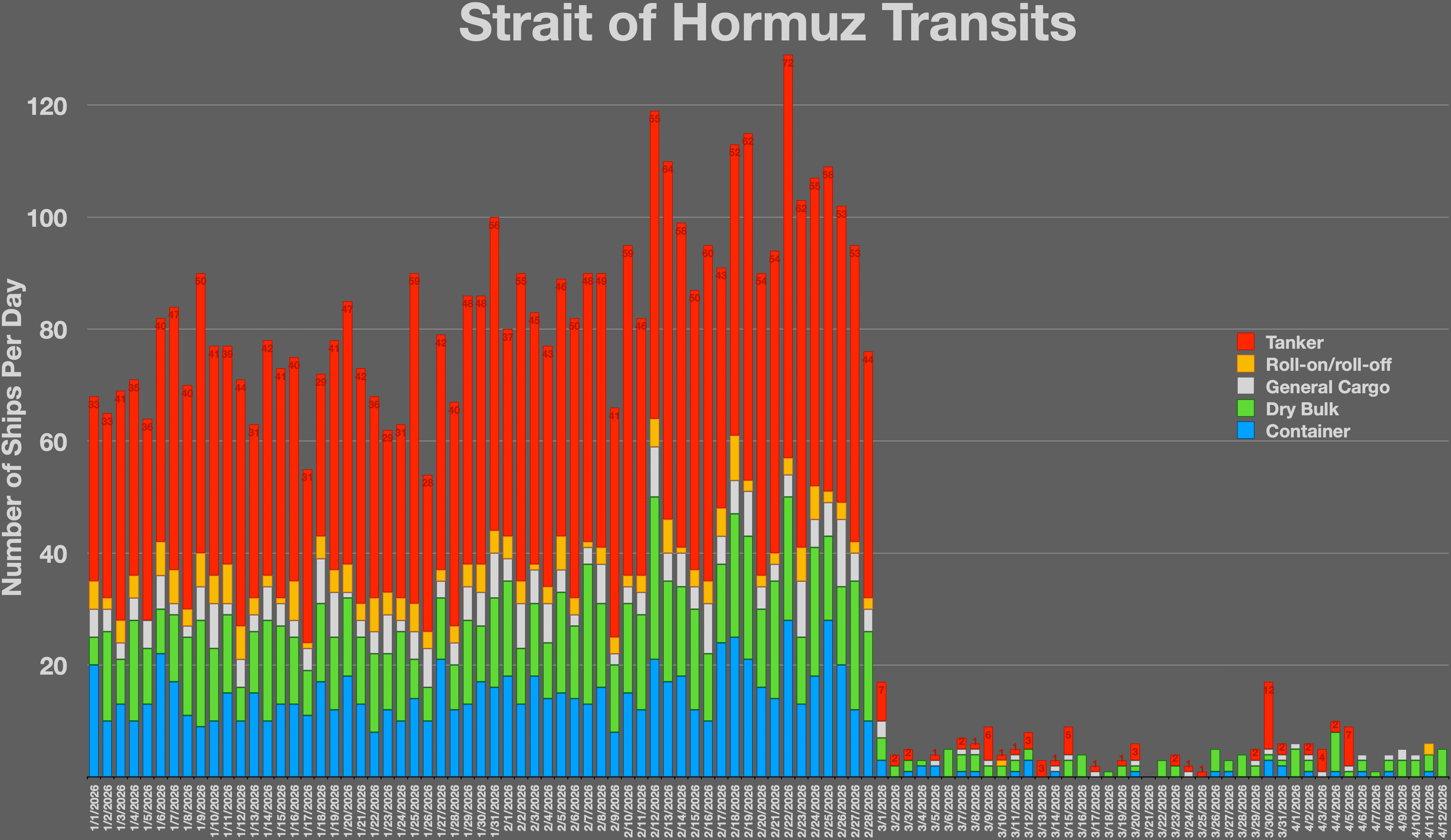
Iran is increasing its grip on the Strait of Hormuz through a mix of physical checkpoints on nearby islands, new diplomatic agreements, and financial fees. These moves extend Tehran’s influence over one of the world’s most vital maritime chokepoints, with consequences for global oil flows and regional tensions.
What happened
Recent reports reveal Iran has established checkpoints on islands in and around the Strait of Hormuz. Alongside these, Tehran is forging diplomatic deals with local and regional authorities to assert greater authority over this narrow waterway. Additionally, there are indications that Iran is charging ‘fees’ or levies on vessels transiting the strait, thereby exercising a form of tax or economic control.
Furthermore, Iran has introduced new structures to manage the strait, including a specialized body aimed at regulating traffic and security, even as diplomatic efforts to ease regional tensions stall. These developments come amid Tehran’s exploration of novel financial tools such as Bitcoin-backed insurance to support shipping activities through the area.
Why it matters
The Strait of Hormuz is a critical maritime corridor, handling about 20% of global oil shipments. Iran’s tightening control raises the stakes for global energy markets, potentially increasing costs and risks for oil transportation. Military and political tensions in this region have, historically, triggered spikes in oil prices and concerns about supply disruptions.
Beyond economics, Tehran’s moves could shift the regional balance of power, complicating relationships with Gulf neighbors and global powers such as the United States and China. The introduction of fees and digital tools also signals Iran’s intent to strengthen sovereign control and possibly undermine sanctions through new financial mechanisms.
The bigger picture
For years, the Strait of Hormuz has been a hotspot for geopolitical rivalry, ongoing military posturing, and occasional confrontations. Iran’s recent consolidation efforts reflect a broader strategy to leverage geographic advantages amid international economic and diplomatic pressure.
This trend coincides with stalled peace talks and heightened diplomatic uncertainty. If Iran solidifies control further, it may use the strait as a bargaining chip or leverage in wider regional disputes. The emergence of digital and financial innovations tied to shipping and insurance represents a new front in this multifaceted contest.
What to watch next
Monitor any changes in shipping practices, fees, or insurance policies for vessels passing through Hormuz. Watch for new diplomatic developments involving Gulf states and global actors responding to Iran’s moves. Any escalation or incidents around the strait could trigger volatility in energy markets and regional security dynamics.
Also, track how the international community reacts to the new body managing the strait and whether additional sanctions or negotiations emerge in response. Iran’s integration of cryptocurrency into the shipping sector could set precedents for sanctions evasion or financial innovation in contested waterways.
Source note
This explainer is based on aggregated reporting from Reuters, CNN, Bloomberg, Time Magazine, and France 24, as found through Google News. The original Reuters article details Iran’s island checkpoints, diplomatic strategy, and new fees related to Strait of Hormuz control: here
Google News - Top Stories
Read the source report