How Trump Could Disrupt Taiwan’s $14 Billion Arms Deal with the US
A $14 billion arms sale to Taiwan faces uncertainty as former President Donald Trump’s opposition puts the deal at risk, challenging US-Taiwan security ties at a critical moment amid rising regional tensions.
The quick version
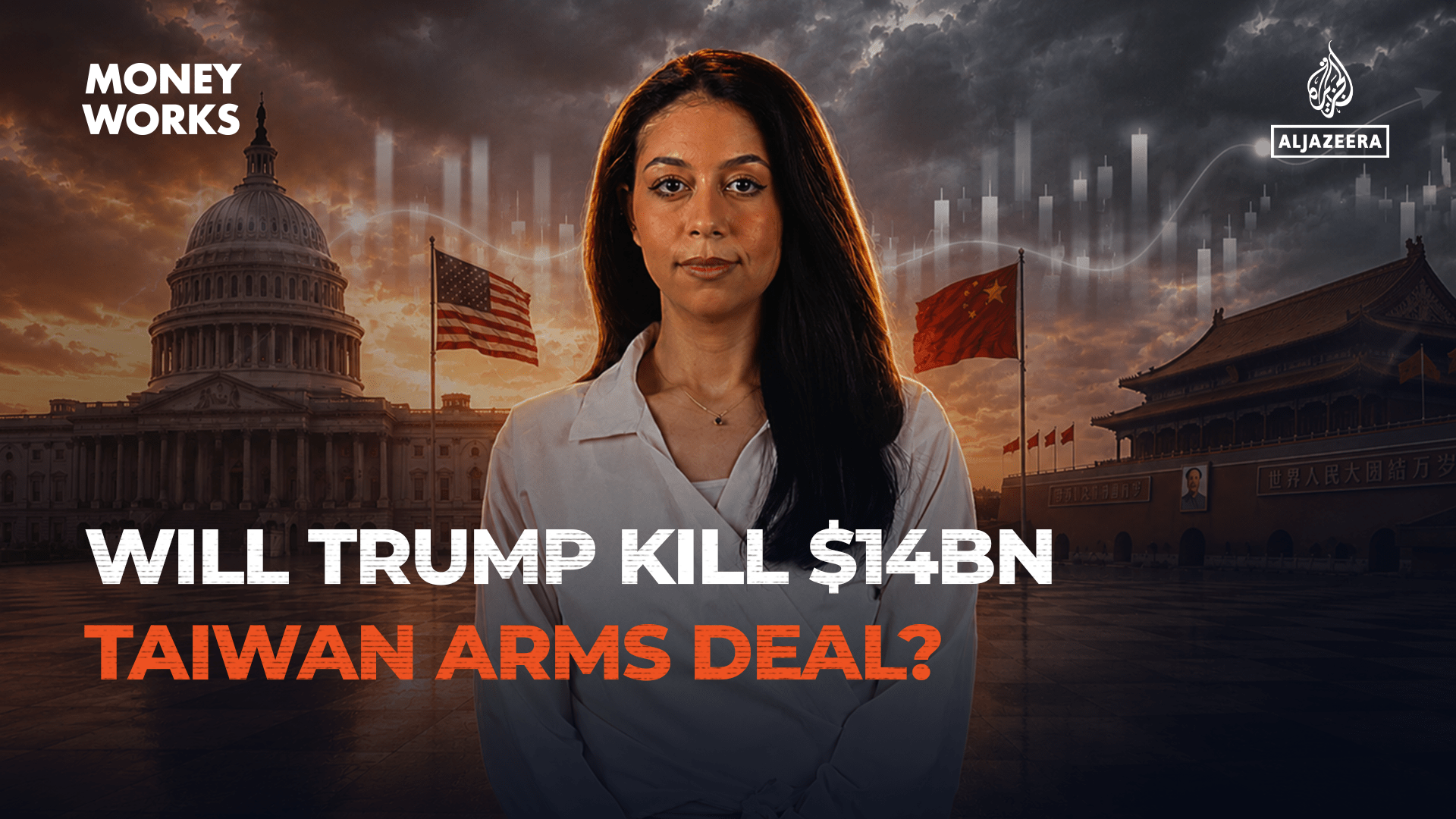
Taiwan’s $14 billion arms deal with the United States is now at risk due to opposition from former President Donald Trump. The deal, designed to bolster Taiwan’s defense capabilities against increasing threats, especially from China, is facing delays and uncertainty. If the agreement stalls or is canceled, it could signal a shift in US policy just as geopolitical tensions in the Asia-Pacific region intensify.
What happened
The US government had agreed to sell military equipment and weaponry to Taiwan valued at $14 billion. The sale aims to strengthen Taiwan’s defenses as China escalates military pressure and asserts its claims over the island. However, Trump has publicly criticized the deal, questioning US involvement in Taiwan’s defense and emphasizing a different approach to China.
Trump’s influence remains strong within the Republican Party and among many US voters, creating pressure on current lawmakers and the administration. His opposition casts doubt on whether the deal will proceed, with potential impacts on long-term US commitment to Taiwan’s security.
Why it matters
Taiwan is a strategic partner for the US in maintaining balance in the Asia-Pacific, where China’s growing military capabilities are viewed as a threat to regional stability. The arms deal supports Taiwan’s ability to defend itself, consistent with the Taiwan Relations Act, which commits the US to help Taiwan maintain sufficient self-defense.
If the deal is delayed or derailed, it could weaken Taiwan’s readiness to deter aggression, embolden China, and complicate US foreign policy. Furthermore, it signals a possible re-evaluation of US commitments to allies in the region, potentially undermining confidence among other US partners concerned about China’s ambitions.
The bigger picture
Taiwan remains at the center of US-China rivalry. Beijing considers Taiwan a breakaway province and opposes foreign arms sales to the island, viewing them as interference in its internal affairs. The US, while not officially recognizing Taiwan as a country, provides defensive support to maintain peace and stability.
The current arms deal has been seen as a reaffirmation of US support amid increasing Chinese military activity near Taiwan. Trump’s opposition reflects broader debates within US politics about engagement with Taiwan and China. His stance contributes to uncertainty over whether future US administrations will maintain or alter the longstanding policy framework supporting Taiwan’s defense.
What to watch next
Key developments to monitor include official statements from the White House and the State Department regarding the fate of the $14 billion arms deal. Taiwan’s government responses will also offer insight into their strategic adjustments if the deal stalls.
China’s diplomatic and military reactions are critical indicators of how Beijing perceives shifts in US policy. congressional actions on defense budgets and arms sales will shape the long-term US position on Taiwan’s military support.
In addition, broader geopolitical events, such as negotiations or tensions in US-China relations, will influence how the arms deal progresses. Analysts will watch for signs of renewed commitment or scaling back of US military assistance to Taiwan, which could have ripple effects for regional security.
Source note
This explainer is based on reporting by Al Jazeera: here
Al Jazeera
Read the source report