How New York Hotels Stopped a Strike Ahead of the 2026 FIFA World Cup
New York City hotels reached a labor deal with 25,000 workers, avoiding a strike just before the 2026 FIFA World Cup. This move ensures smooth operations during the influx of visitors.
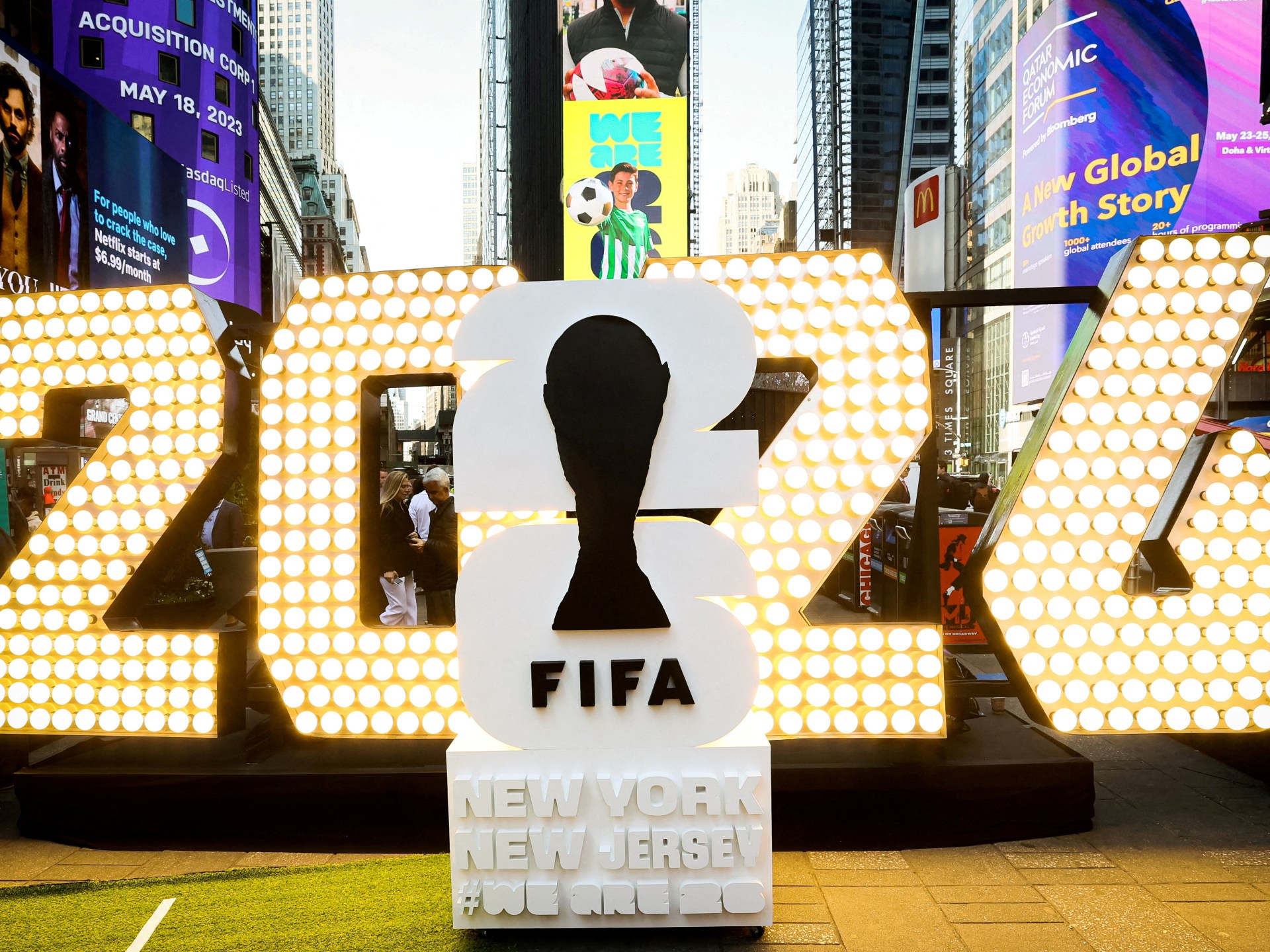
The quick version
New York City hotel operators have successfully averted a looming labor strike by signing a comprehensive agreement with 25,000 hospitality workers. This critical development comes as the city prepares to host a massive influx of international visitors for the 2026 FIFA World Cup.
What happened
Hotel management and unionized workers came together to resolve a strike threat that was poised to disrupt New York’s hospitality sector during one of the city's most significant and high-profile upcoming events. The agreement, reached after negotiations, ensures labor peace and operational stability, enabling hotels to fully prepare for the surge of World Cup tourists.
The deal was struck with workers represented by local hotel unions, who had been pushing for improved wages, better working conditions, and job security amidst increasing demands on hotel staff. The successful negotiations avoided a strike that could have shut down thousands of hotel rooms and caused major logistical challenges for the city's hospitality industry.
Why it matters
This labor agreement is vital as it prevents potentially devastating disruptions at hotels during the FIFA World Cup, which will bring tens of thousands of fans, media personnel, and officials to New York City. A strike at this critical time could have led to massive inconveniences, forcing visitors to scramble for alternative accommodations and harming the city’s tourism-dependent economy.
Beyond avoiding immediate chaos, the deal safeguards approximately 25,000 hotel jobs and strengthens the workforce’s morale ahead of an intense period. It also enhances New York City's image as a dependable, world-class destination capable of hosting major global events without labor unrest.
The bigger picture
Labor disputes are a common challenge in the hospitality industry, especially surrounding large-scale events that place additional stress on employees and management. New York City's approach demonstrates how proactive and fair negotiations can prevent strikes and ensure stable operations.
As the 2026 FIFA World Cup draws near, the agreement sets a precedent for other host cities globally to balance the rights and needs of workers with the economic imperatives of such events. It also highlights ongoing challenges faced by unionized hotel workers who seek fair compensation and job security amid growing workloads.
By resolving these issues ahead of time, New York is aiming to avoid the type of disruption seen in other cities during large tournaments, which can damage both economic outlooks and visitor experiences.
What to watch next
In the months leading up to and throughout the 2026 FIFA World Cup, stakeholders will closely monitor the implementation of this labor agreement. Observers will be interested in how well hotel operators adhere to the contract terms and whether any new tensions or demands arise during the high-pressure event period.
Other cities preparing to host major sporting or cultural events may look to New York’s experience as a model for negotiating labor contracts that keep operations running smoothly without compromising workers’ rights.
Continued communication between unions, hotel management, and local authorities will be essential to maintaining stability and ensuring the hospitality sector supports an exceptional World Cup experience for visitors.
Source note
Source: Al Jazeera, "New York City hotels avert labour strike threat before FIFA World Cup," here
Al Jazeera
Read the source report