Why Taiwan’s Future Depends on Its People, Not Outside Powers
Taiwan’s president asserts the island’s destiny is self-determined amid growing pressures from China and the United States. Understanding this stance is crucial for regional stability and the balance of power in the Indo-Pacific.
The quick version
Taiwan’s President Lai has emphasized that the island’s future must be decided solely by its own people, resisting escalating political and military pressures from China and navigating complex diplomatic ties with the United States. This assertion underscores Taiwan’s ongoing struggle to preserve its autonomy in one of the world’s most sensitive geopolitical hotspots.
What happened
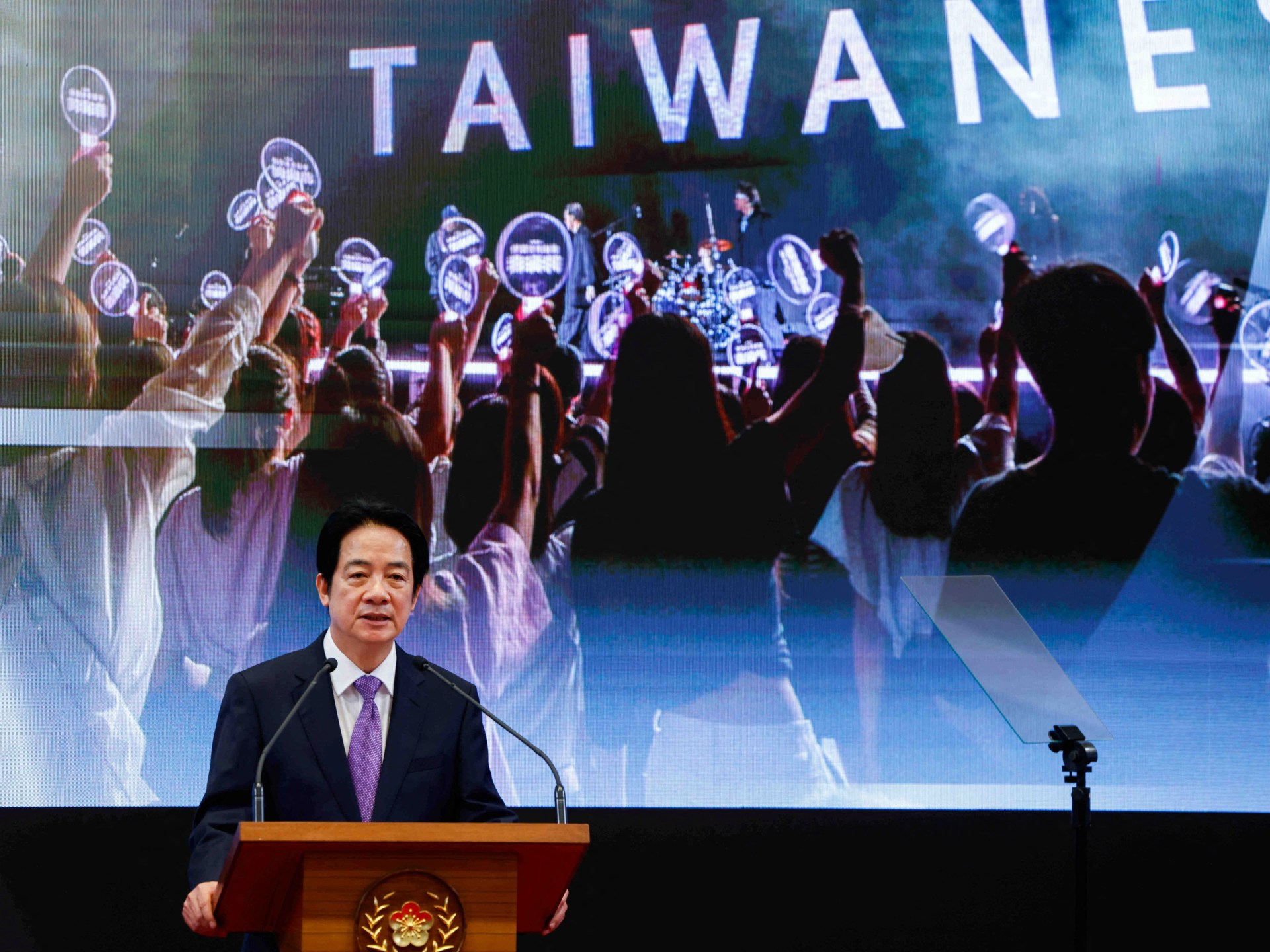
In a recent public address, President Lai declared unequivocally that Taiwan will not allow any external powers to dictate its future. This statement comes amid increasing assertiveness from China, which claims Taiwan as part of its territory and has intensified military exercises near the island. At the same time, the United States continues to bolster its support for Taiwan through arms sales, diplomatic engagement, and reaffirming commitments to the island's security, without extending formal diplomatic recognition. President Lai’s remarks reaffirm Taiwan’s dedication to democratic governance and the principle of self-determination, setting a clear tone that the island’s destiny belongs to its own people.
Why it matters
Taiwan sits at the epicenter of strategic competition between China and the US, making its future an issue of global importance. For Beijing, Taiwan represents a breakaway province whose reunification with the mainland is a core national objective, and it has not ruled out the use of military force to achieve this goal. For Washington, Taiwan is a democratic partner and a critical ally in maintaining regional balance and upholding international norms. How Taiwan asserts its sovereignty influences not only military dynamics but also international trade networks, given the island’s role as a critical hub for semiconductors and technology. Moreover, Taiwan’s insistence on self-determination complicates efforts by both China and the US to manage their competing interests smoothly. The island’s resolve reflects a broader pushback against external coercion and highlights the resilience of its democratic institutions under pressure.
The bigger picture
China’s increasing military drills and diplomatic pressures are part of a broader strategy to isolate Taiwan internationally and push for eventual reunification under Beijing’s “one country, two systems” framework—a model widely rejected in Taiwan. Conversely, the US pursues a strategy of strategic ambiguity: providing Taiwan with defensive weapons and political support while avoiding formal recognition that might provoke further escalation. This triangular relationship between Taiwan, China, and the US creates ongoing tension in the Indo-Pacific, a region vital to global economic and security interests. Taiwan’s public affirmation of its right to self-determination highlights the island’s growing national identity distinct from China and challenges Beijing’s narratives.
What to watch next
Key areas to monitor include Taiwan’s domestic political developments, such as public opinion and election outcomes, which will shape future leadership approaches toward China and the US. Military activities near Taiwan, including Chinese exercises and Taiwan’s defense responses, remain critical indicators of regional security risks. Additionally, the US’s diplomatic and military engagements will signal how Washington intends to balance deterrence with dialogue. International diplomatic efforts, including Taiwan’s efforts to maintain and expand unofficial relations with other countries, will also be crucial. Taiwan’s economic resilience, especially in the semiconductor industry, will influence its strategic standing globally. The evolving dynamics among these actors in the coming months and years will determine the stability and security of the wider Indo-Pacific region.
Source note
Source: Al Jazeera, “Taiwan’s president says future will not be decided by ‘external forces’”, original link: here
Al Jazeera
Read the source report