Why Kenya's Transport Strike Pause Matters After Deadly Protests
Kenya's transport strike was paused following violent protests triggered by rising fuel prices that resulted in several deaths and numerous arrests. This development underscores the severe economic pressures facing the country and the urgent need for dialogue amid growing public frustration.
The quick version
Kenya’s transport strike, initiated in response to steep increases in fuel prices, has been paused after violent protests led to multiple fatalities and widespread arrests. The halt highlights the mounting tensions across the country as economic hardships fuel public unrest and disrupt daily life.
What happened
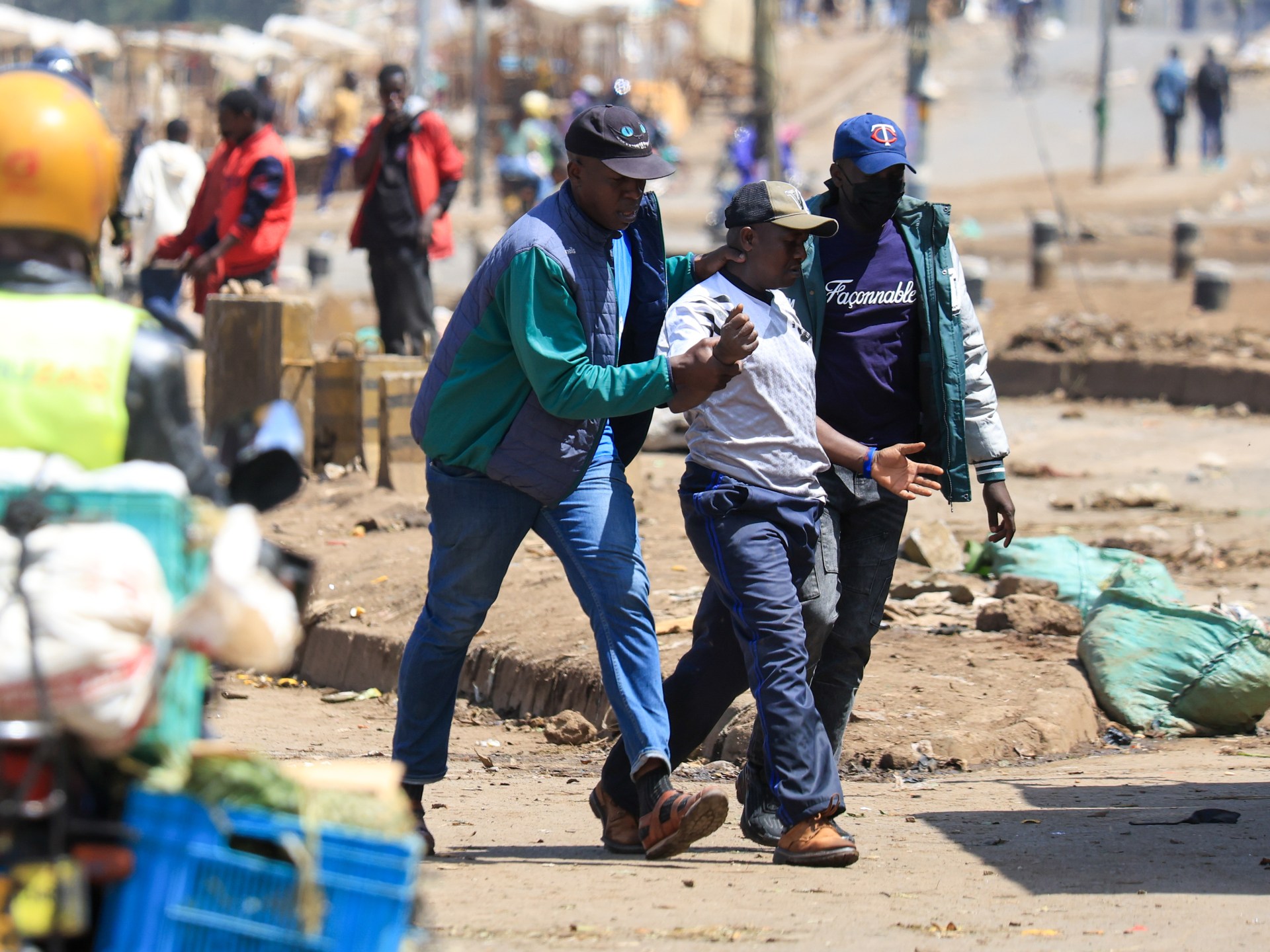
Transport operators nationwide called for a strike protesting significant hikes in fuel prices that directly impact their livelihoods and operational costs. The strike quickly escalated as clashes erupted between demonstrators and police forces. Authorities reported several deaths amidst the violence, alongside mass arrests of protesters. The unrest caused considerable disruption in major cities and rural areas where transport services are vital for commuting and goods delivery.
Following the tragic loss of life and the wave of detentions, transport stakeholders agreed to pause the strike temporarily. This decision came as a response to government appeals and mounting concerns about public safety and the economic fallout. The pause aims to create space for discussions, although underlying grievances remain unresolved.
Why it matters
Fuel price increases have far-reaching effects in Kenya, significantly raising transportation costs that trickle down to the prices of essential goods and services. Many Kenyans depend daily on public transportation, and the strike’s disruption affected millions of commuters and businesses alike.
The transport sector is a lynchpin of Kenya’s economy, connecting rural producers to urban markets and facilitating commerce nationwide. The deadly protests demonstrate widespread frustration with the rising cost of living and perceptions of inadequate government action on economic pressures.
This pause presents a critical opportunity for dialogue between government officials, transport operators, and civil society. How this moment is handled could either pave the way for easing tensions or set the stage for renewed unrest, with serious implications for social stability and economic recovery.
The bigger picture
Kenya is grappling with persistent economic challenges, including high inflation and volatility in global fuel markets. These factors have pushed up the cost of living for many households struggling to make ends meet.
Disruptions in transportation during such critical times strain supply chains, affecting food prices and availability of basic goods. The government's approach to managing protests, addressing fuel pricing, and supporting vulnerable populations will significantly influence public trust and political stability in the months ahead.
Moreover, the incident reflects broader regional concerns where fuel price hikes have sparked similar unrest. Kenya’s response will be closely watched as a potential model or cautionary tale for neighboring countries facing comparable challenges.
What to watch next
The coming days will be pivotal as Kenyan authorities and transport unions navigate this sensitive juncture. Key points to watch include whether meaningful negotiations emerge to address fuel pricing concerns and explore economic relief measures for affected communities.
It will also be important to monitor how security forces balance law enforcement with respect for citizens’ rights during any further protests. The potential for a return to strike actions remains unless concrete steps are taken to address the underlying economic grievances.
Government announcements, union statements, and independent reports will be crucial in tracking developments. Stakeholders and international observers alike will be attentive to signs of compromise or escalation.
Source note
This report is based on information from Al Jazeera. The original article is available at here
Al Jazeera
Read the source report