Why Iran’s Warning to the US Signals Rising Tensions in the Middle East
Iran warns the US of 'many more surprises' after Trump’s military threats, raising risks of escalating conflict amid major global power talks in Beijing.
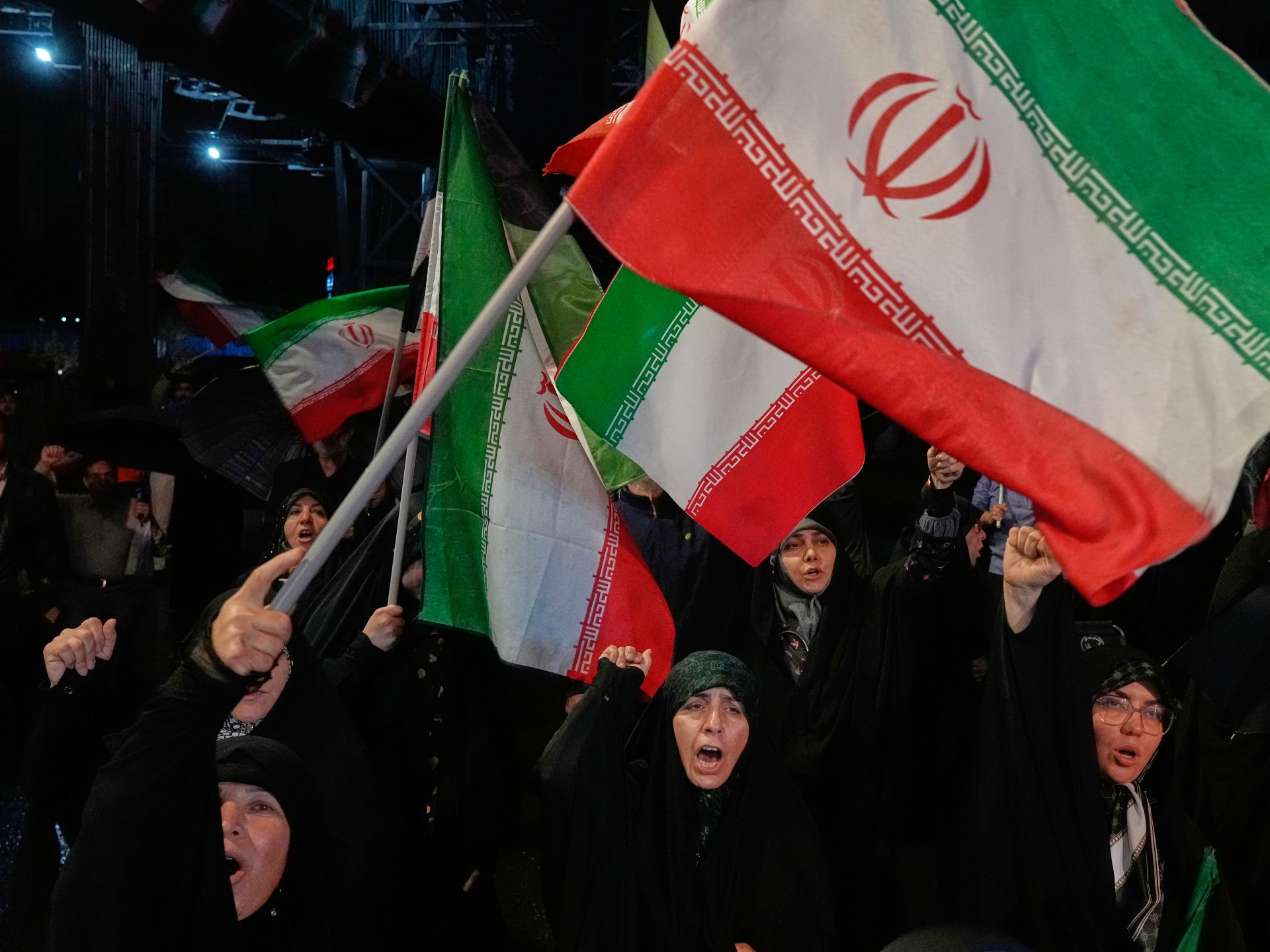
The quick version
Iran has issued a stern warning to the United States, signaling it would deliver “many more surprises” if hostilities resume. This escalation follows former US President Donald Trump’s threat of military action against Iran, saying Tehran had only "two to three days" to reach a deal. The timing of Iran’s warning coincides with a significant meeting in Beijing between China’s Xi Jinping and Russia’s Vladimir Putin, underscoring the growing international stakes involved.
What happened
In response to Trump’s ultimatum, Tehran’s announcement signals a readiness to retaliate should the US proceed with aggressive policies or military strikes. Trump’s remarks implied a move toward direct confrontation, raising alarms about a potential escalation in the region. The meeting in Beijing, bringing together two of the world’s most influential leaders—Xi and Putin—underscores the complex geopolitical environment. Both China and Russia maintain strategic partnerships with Iran, and their summit could influence how the conflict unfolds.
Why it matters
The implications of renewed conflict between the US and Iran are profound. The Middle East is already a volatile region marked by ongoing tensions, proxy wars, and fragile alliances. A military clash could destabilize global energy markets, as Iran is a key player in the oil supply chain. It also risks widening regional conflicts by drawing in allied nations supporting either Iran or the US. The timing, with China and Russia coordinating in Beijing, raises the possibility that Tehran could receive political or material support, complicating international efforts to de-escalate tensions.
The bigger picture
This confrontation represents more than just US-Iran friction; it reflects shifting global power dynamics. Over recent years, diplomatic efforts to curb Iran’s nuclear ambitions have faltered, fueling hardline stances on both sides. Iran’s warning demonstrates a strategy of deterrence, indicating it may opt to endure sanctions and threats rather than capitulate. Concurrently, Beijing and Moscow’s growing alliance is reshaping global politics. Their cooperation on issues including Iran showcases a pivot away from Western-dominated frameworks and signifies a multipolar world order, with major powers competing for influence.
What to watch next
Key indicators to monitor include any increase in military deployments or clashes involving Iranian forces, US troops, or allied groups in the region. Diplomatic activity will also be crucial; any emergency meetings at the United Nations or among regional powers could signal attempts at crisis management. Additionally, statements or actions from China and Russia following their Beijing summit may reveal whether they intend to bolster Iran or pursue de-escalation. The coming days and weeks will be critical in determining whether rhetoric translates into conflict or dialogue.
Source note
This explainer is based on live reporting by Al Jazeera titled "Iran war live: Tehran warns US of ‘surprises’; Xi, Putin meet in Beijing," available at here.
Al Jazeera
Read the source report