Why Ebola Continues to Devastate Communities in the DRC
Ebola outbreaks keep recurring in the Democratic Republic of Congo due to persistent healthcare system weaknesses and complex social challenges, causing ongoing human suffering. Understanding the gaps and response efforts is crucial to managing future risks.
The quick version
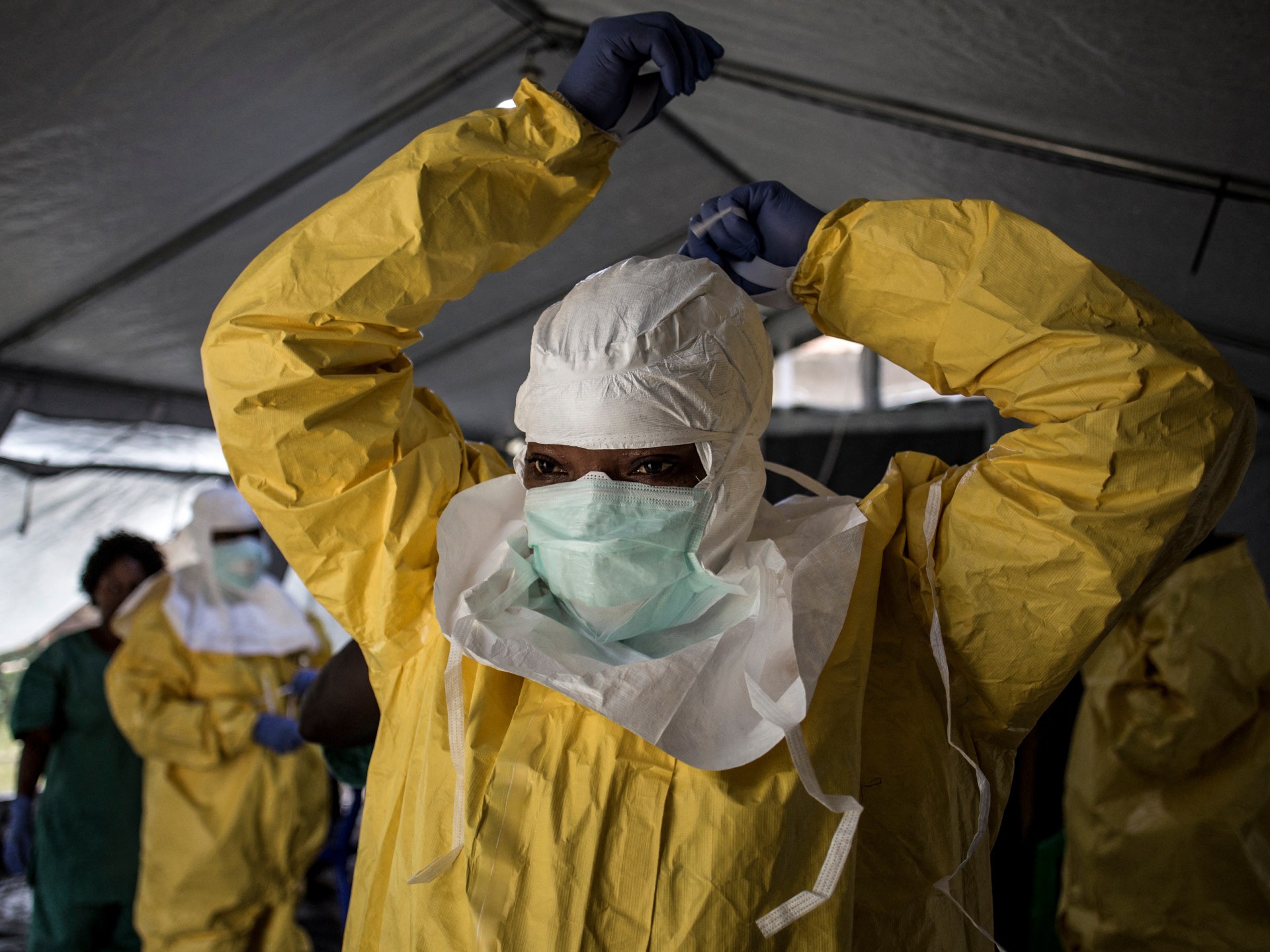
Ebola has once again emerged in the Democratic Republic of Congo (DRC), deeply affecting families in the town of Mongbwalu. The latest resurgence sheds light on serious, long-standing deficiencies in the country’s healthcare infrastructure and epidemic response capabilities, which continue to hamper effective control of the virus despite years of experience combatting it.
What happened
Mongbwalu, a community still healing from past Ebola crises, is grieving anew as fresh cases of the deadly virus surface. This latest outbreak underscores major challenges in detecting and containing Ebola quickly within the region. Health systems remain fragile, and significant gaps in disease surveillance, community outreach, treatment access, and outbreak preparedness have left the population vulnerable. Despite numerous prevention campaigns and vaccination programs, these weaknesses persist, allowing the virus to reemerge and spread.
Why it matters
Ebola virus disease is known for its high fatality rate, often killing a large proportion of those infected if not treated promptly. Its reappearance in the DRC threatens the lives of thousands while disrupting social and economic stability. Limited healthcare resources are stretched thin, leaving treatment centers overwhelmed and slowing emergency response efforts. Moreover, the ongoing outbreaks have a traumatic human cost, as families lose loved ones and communities face stigma and fear. Globally, persistent Ebola threats from the DRC raise alarms about the risks of international spread and the adequacy of early-warning and containment strategies.
The bigger picture
The DRC has been a hotspot for Ebola since the virus was first discovered there in 1976. Over recent decades, the country has experienced multiple devastating outbreaks, each revealing deep systemic problems. Chronic poverty, ongoing conflict, weak health infrastructure, and logistical hurdles make epidemic response especially difficult. Even with the introduction of Ebola vaccines and antiviral treatments, limited access for remote and conflict-affected populations reduces their impact. Compounding the crisis, misinformation and mistrust of healthcare workers and authorities undermine public health campaigns and fuel resistance to control measures. This creates a vicious cycle, where Ebola outbreaks keep recurring because the root causes remain unaddressed.
What to watch next
As the DRC confronts its latest Ebola flare-up, close attention should be paid to how local authorities, in partnership with international organizations, work to strengthen healthcare infrastructure and vaccination coverage in affected and vulnerable areas. Key indicators include improvements in rapid detection of new cases, speed of response, and community engagement strategies designed to build trust. International support, both financial and technical, will be critical in breaking the cycle of repeated outbreaks. Additionally, monitoring announcements of advances in outbreak surveillance technology and emergency preparedness plans will signal progress. The global health community will also be watching efforts to integrate Ebola response with broader health system strengthening initiatives that could better prepare the region for future epidemics.
Source note
This article is based on reports from Al Jazeera: "Why Ebola keeps returning to DRC: A heartbreaking human toll" available at here
Al Jazeera
Read the source report