Why Chinese Supertankers Leaving Hormuz Signals Uncertain Oil Market Ahead
Chinese supertankers left the Strait of Hormuz amid U.S. talks on an Iran deal, easing oil prices temporarily. However, experts warn that despite diplomatic efforts, oil prices are likely to remain volatile due to ongoing geopolitical risks and market uncertainty.
The quick version
Chinese supertankers recently exited the Strait of Hormuz, a vital maritime chokepoint for global oil transit, as U.S. officials emphasized progress in talks over the Iran nuclear agreement. Although this development led to a brief easing in global oil prices, experts caution that the market remains vulnerable to disruptions given lingering geopolitical tensions and multifaceted sanctions.
What happened
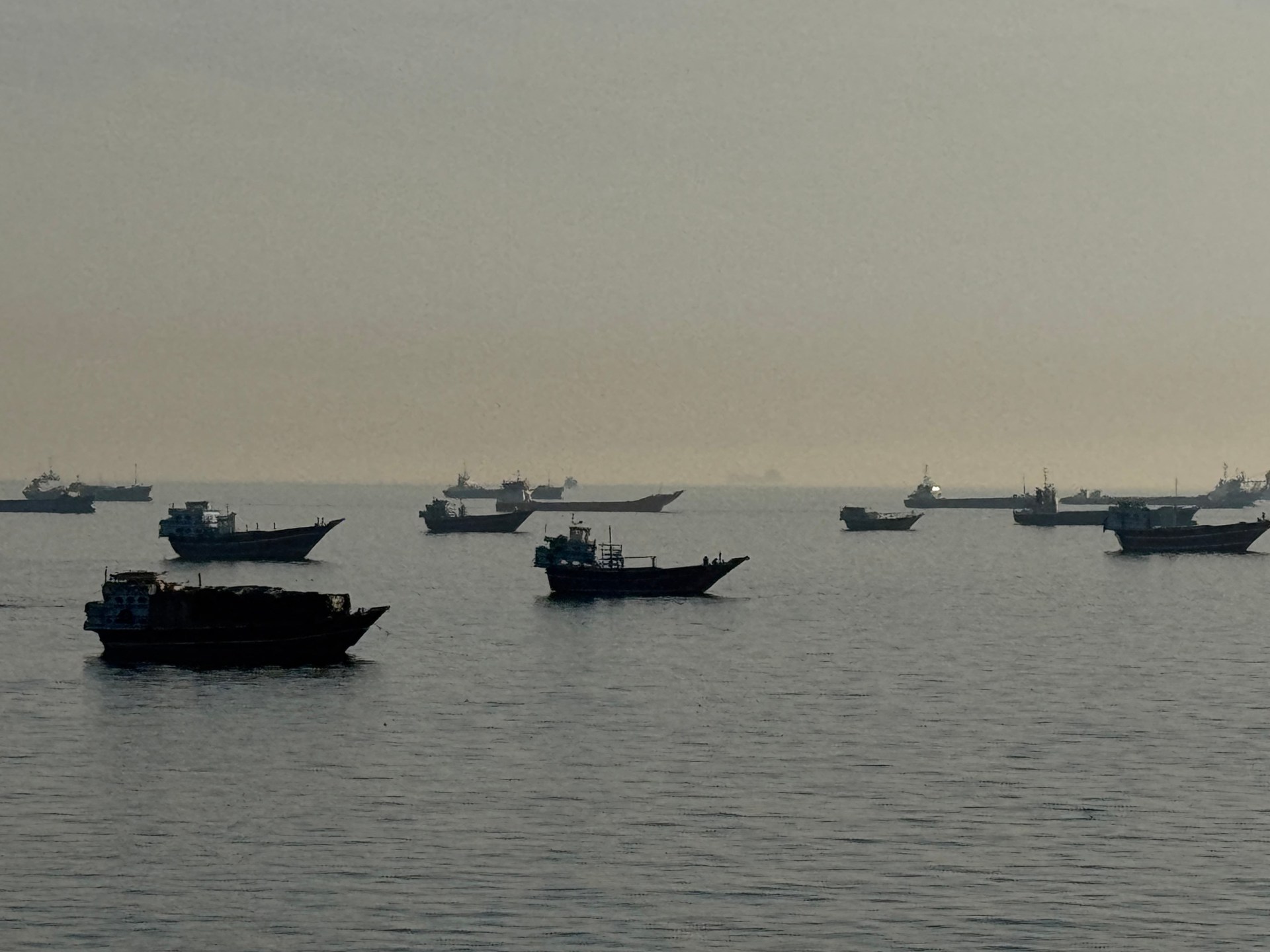
Two Chinese supertankers, which had been positioned near or transiting the Strait of Hormuz—through which approximately 20% of the world's traded oil flows—have now departed the region. This movement coincided with optimistic public remarks from former U.S. President Donald Trump and U.S. Special Envoy for Iran, Robert O'Brien Vance, who highlighted potential advancements toward reviving the Iran nuclear deal. Following these statements, oil prices softened temporarily, reflecting cautious hopes of improved stability and resumption of Iranian oil exports.
Why it matters
The Strait of Hormuz is one of the world's most strategically important waterways for energy supplies, serving as a gateway for a significant share of global oil shipments. The presence of Chinese supertankers in the area had previously signaled Beijing’s efforts to safeguard its energy imports amid heightened regional tensions involving Iran and the broader Middle East. Their recent withdrawal may indicate a recalibration of regional maritime activity in response to diplomatic progress, lessening immediate supply concerns. Nonetheless, experts emphasize such shifts do not guarantee sustained relief for oil markets. Continued geopolitical uncertainties, the complexities of enforcing and potentially easing sanctions on Iran, and other regional risks could perpetuate price volatility and supply disruptions.
The bigger picture
Oil markets have faced persistent pressures from geopolitical conflicts, sanctions targeting Iran, and production controls implemented by major suppliers such as OPEC+ members. These factors have tightened global supply and kept prices elevated in recent years. China’s movement of supertankers into and out of the Strait of Hormuz underscores its concern over energy security amid these volatile conditions. Meanwhile, U.S. diplomacy aimed at curbing Iran's nuclear ambitions while incentivizing a return to compliance with the 2015 nuclear accord could eventually allow for increased Iranian exports. However, the negotiation process remains fragile, with any stalled progress or renewed tensions risking rapid reversal in market sentiment and prices.
What to watch next
Keep a close eye on developments surrounding the Iran nuclear talks, especially any formal agreements or breakdowns, as these will greatly influence oil market dynamics. Market participants will also monitor oil price fluctuations, which tend to respond swiftly to changes in vessel movements through the Strait of Hormuz, Iranian crude supply capacities, and production decisions from OPEC and allied nations. Additionally, Chinese shipping patterns and announcements from key regional actors will be important indicators of evolving strategic considerations that could shape global energy flows and market stability in the near term.
Source note
This explainer is based on an Al Jazeera report titled "Chinese supertankers exit Hormuz as Trump, Vance talk up Iran deal," published on May 20, 2026. Original story: here
Al Jazeera
Read the source report