Why Xi Jinping’s Warm Welcome of Putin Signals a Shift in Global Alliances
Xi Jinping’s embrace of Vladimir Putin in China highlights growing Russia-China ties amid US tensions and energy market worries.
The quick version
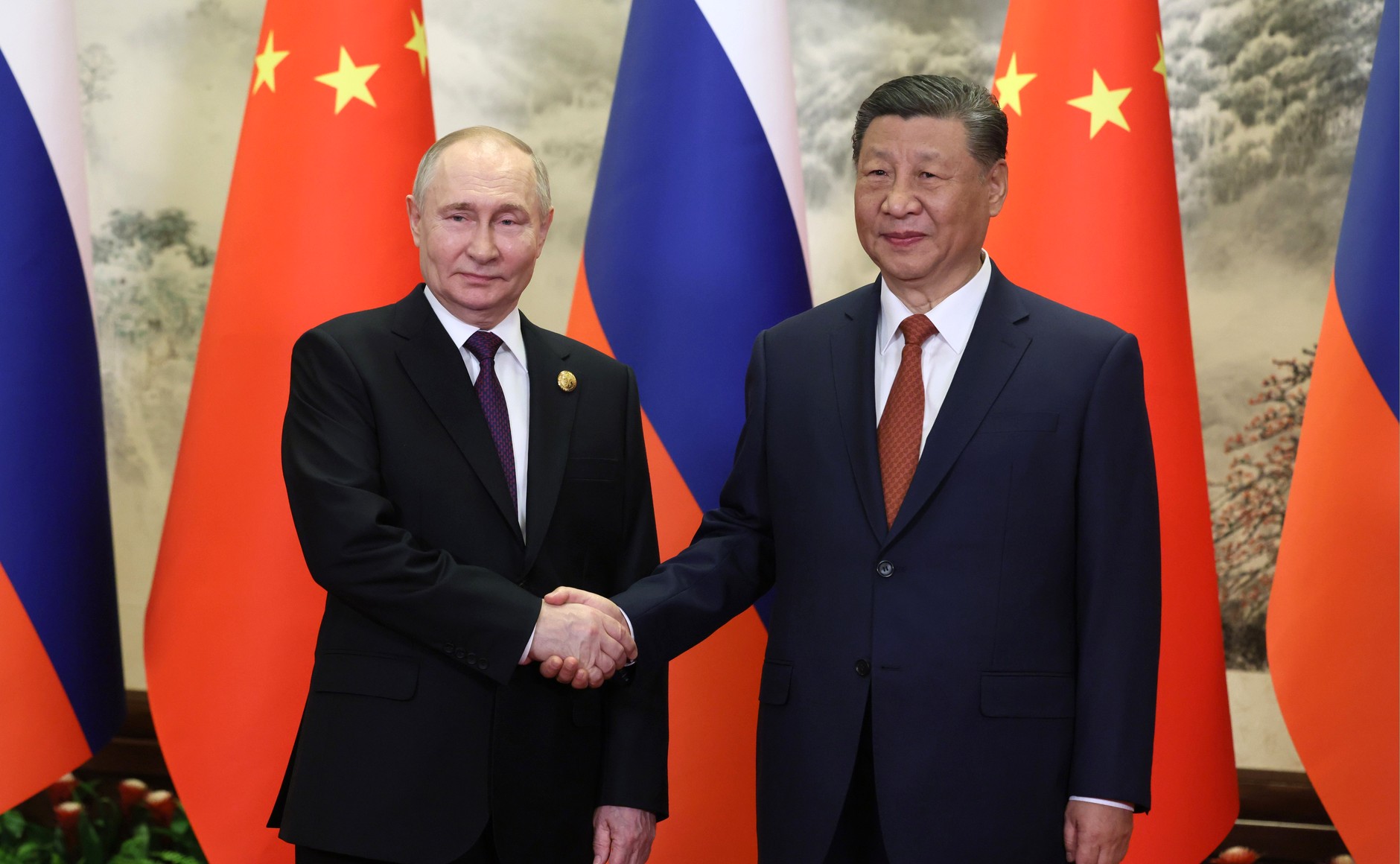
Chinese President Xi Jinping’s unusually warm reception of Russian President Vladimir Putin signals a deepening partnership between Beijing and Moscow. As the two leaders convene, they openly criticize US policies and seek to strengthen bilateral cooperation in the face of increasing Western pressures.
What happened
During Vladimir Putin’s visit to China, Xi Jinping publicly praised the “unyielding” relationship between the two countries and issued a strong warning against “hegemonic countercurrents” associated with Western dominance, implicitly targeting the United States. The two leaders united in condemning US strategies on nuclear arms and broader security matters. Crucially, the meeting revived discussions on a previously stalled Russian gas pipeline project to China, which is poised to become a vital energy lifeline given the unstable global energy landscape, aggravated by tensions stemming from conflicts like the ongoing war involving Iran.
Why it matters
Xi’s gesture of highly visible diplomatic warmth toward Putin mirrors the pomp typically reserved for top-tier global figures, akin to how former US President Donald Trump was treated in prior diplomatic engagements. This symbolic move conveys China’s intention to showcase Russia as a pivotal ally on the world stage. The alignment signals Beijing’s commitment to stand alongside Moscow amid Russia’s diplomatic isolation and shared grievances directed at US foreign policy approaches. Together, their united front has the potential to reshape geopolitical alliances, influence global energy supply chains, and alter the balance of international economic and security interests.
The bigger picture
This summit arrives at a time when Russia is under severe Western sanctions following its actions in Ukraine and other geopolitical tensions. Simultaneously, China is engaged in an ongoing rivalry with the US for global influence. The energy sector is a particularly sensitive arena; the instability triggered by the Iran-related conflict has further rattled markets. Renewing momentum behind the Russian gas pipeline project aligns with China’s broader strategy to diversify and secure energy sources away from Western control. Moreover, their shared critical stance on nuclear and security policies highlights a growing challenge to the established US-led international order, signaling potential shifts in global governance and power structures.
What to watch next
International observers should closely monitor how swiftly and effectively the Russian gas pipeline project moves forward, as it will directly impact energy flows and market dynamics across Eurasia. Additionally, any new joint economic, military, or technological initiatives between Beijing and Moscow will provide important clues about the depth of this partnership. Diplomatic reactions to future US policy moves or sanctions will also be telling—will China and Russia escalate their cooperation or seek more cautious engagement? The broader consequences for global energy prices, supply security, and geopolitical stability remain critical issues as this evolving alliance unfolds.
Source note
This explainer is based on reports from Bloomberg, CBS News, Reuters, CNBC, and The Detroit News, as aggregated by Google News – World. Original reporting can be found through the link: here
Google News - World
Read the source report