Why Spain’s Ceuta Migrant Crossings Are Sparking a European Political Clash
Spain’s migrant crisis in Ceuta has escalated political tensions in Europe, fueled by social media and sharp divisions over migration policies.
The quick version
Spain’s recent migrant crossings in Ceuta, a Spanish enclave bordering Morocco, have ignited political uproar across Europe. The influx highlighted deep divisions over immigration policies and revealed the significant role social media plays in shaping public perception and political discourse.
What happened
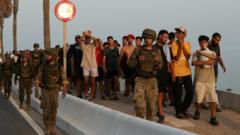
In April 2023, over 8,000 migrants, including many unaccompanied minors, crossed from Morocco into Ceuta within a matter of days. This sudden and large-scale arrival overwhelmed Spanish border authorities and local resources. The influx came amid a diplomatic dispute between Spain and Morocco, with Spanish officials accusing Morocco of relaxing border controls as a form of political pressure.
The unprecedented surge exposed vulnerabilities in border security and migration management at the European Union’s southern edges. Spain responded by deploying additional police and military forces to the area and coordinating emergency medical and social services. Meanwhile, Morocco denied intentionally facilitating the crossings but called for mutual cooperation to address migration challenges.
Why it matters
This incident underlines deep fractures in European unity regarding migration and border control. EU member states differ widely in their approaches to humanitarian responsibilities, asylum processing, and national security priorities. The Ceuta events intensified debates on where the balance should lie between protecting borders and providing refuge to vulnerable migrants.
Moreover, the crisis highlighted how social media platforms accelerate the spread of information and misinformation. Videos and images from the border circulated rapidly, igniting polarized public reactions. Some voices called for stricter border enforcement, while others urged compassion and greater support for migrants. Political leaders across Europe used social media narratives to bolster their positions, sometimes escalating tensions.
The bigger picture
Migration to Europe is driven by a complex mix of factors including conflict, economic hardship, and climate change triggering displacement. Ceuta’s crisis represents a concentrated example of wider migration pressures facing the EU’s external frontiers, particularly from North Africa.
This episode exposed diplomatic strains between Spain and Morocco, two key partners in managing migration flows. The relationship impacts not only border control but also trade, security, and regional stability. Within the EU, the crisis renewed calls to develop coherent, collective migration policies that balance humanitarian obligations with effective border management.
The divisions revealed have implications for upcoming EU policy debates. Questions remain over burden-sharing mechanisms, funding for frontline states, and cooperation with origin and transit countries. How Europe addresses these challenges will shape its migration landscape for years to come.
What to watch next
Observers should track how Spain and the broader EU adapt migration and border policies following the Ceuta incident. Key indicators include changes in bilateral relations between Spain and Morocco, efforts to enhance joint patrols, and the deployment of new technologies or infrastructures at borders.
Attention should also be paid to the political responses within EU member states, especially regarding public opinion on migration. The role of social media in future migration crises will be crucial, as platforms continue to influence narratives and potentially inflame divisions.
Finally, monitoring the humanitarian situation of migrants in Ceuta and other border areas remains important. Access to shelter, medical care, legal processing, and integration support will affect both human rights outcomes and political dynamics.
Source note
This article is based on reporting by BBC World. Original story: here
BBC World
Read the source report