Why Ukraine’s Missile Defenses Are Overwhelmed as Kyiv Takes Hits
Ukraine faces mounting losses as ballistic missiles strike Kyiv amid a dire shortage of interceptors, raising urgent questions about its air defense capability.
The quick version
Ukraine’s capital, Kyiv, has come under significant ballistic missile attacks amid a severe shortage of missile interceptors. Ukrainian President Volodymyr Zelensky has warned that Ukraine currently has no interceptors left, leaving its air defenses vulnerable to continuous Russian missile strikes. This shortage has directly contributed to casualties and damage in the city, marking a troubling escalation in the ongoing conflict.
What happened
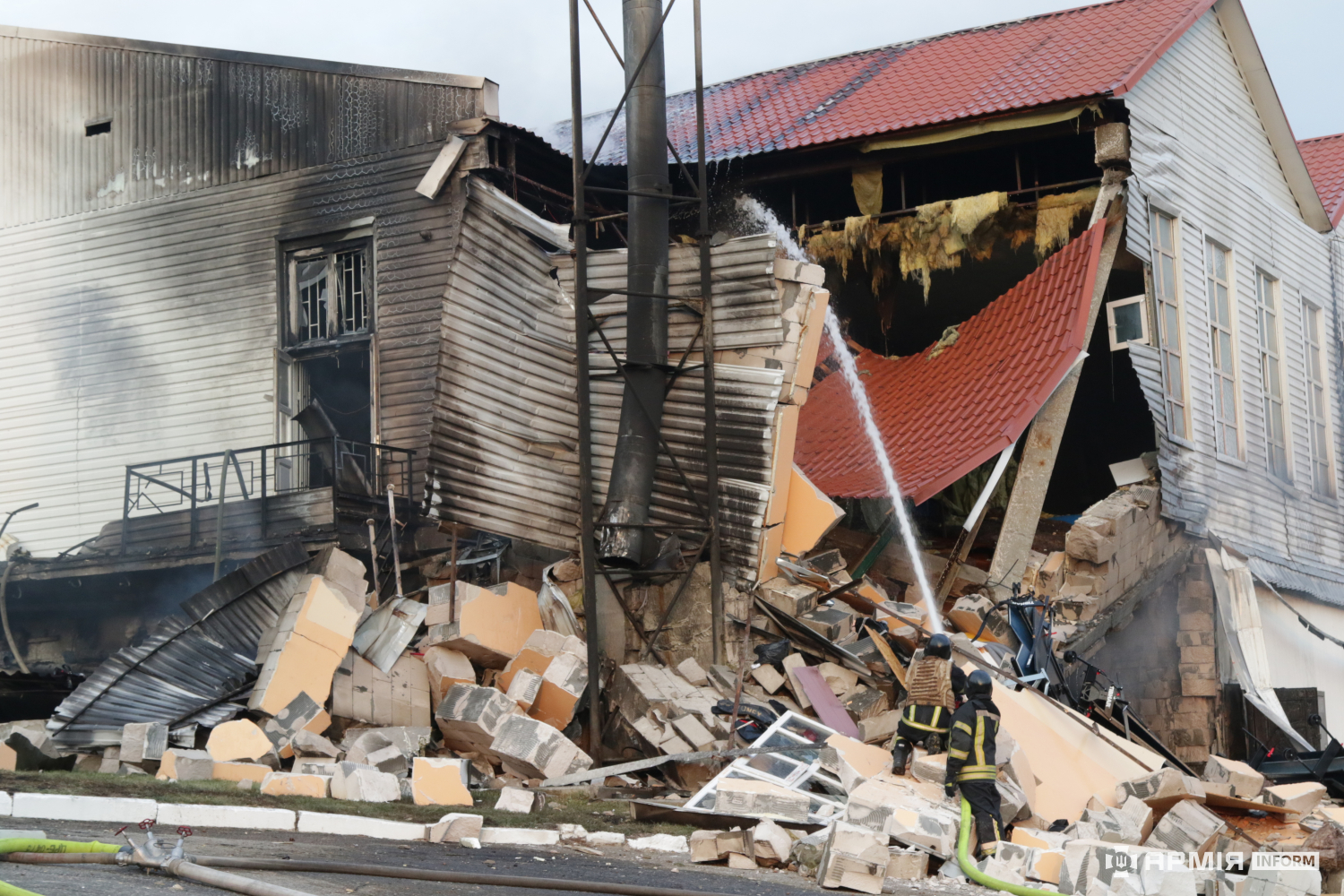
In recent days, Russian forces launched ballistic missile strikes targeting Kyiv, resulting in at least nine fatalities according to multiple reports. The attacks overwhelmed Ukraine’s air defense systems, which rely on a limited supply of interceptors to shoot down incoming missiles. Ukrainian officials disclosed that Ukraine has depleted much of its interceptor stockpile, including those compatible with the Patriot missile systems supplied by Western allies.
The deficiency in interceptors means many ballistic and cruise missiles penetrated Kyiv’s air defenses, resulting in deadly strikes on civilian areas as well as critical infrastructure. The missile barrage is part of intensified Russian efforts to degrade Ukraine’s defensive capabilities and undermine morale amid prolonged hostilities.
Why it matters
The shortage of missile interceptors poses a severe risk to civilian populations and vital infrastructure in Kyiv and other major Ukrainian cities. Without enough interceptors, Ukraine’s air defense networks cannot reliably prevent missile impacts, increasing casualties and destruction. The situation exposes the difficulties Ukraine faces in sustaining its advanced air defense amid constant attacks and limited supplies.
This vulnerability also affects the broader military situation. Effective air defense is crucial for protecting frontline forces and maintaining civilian morale. The inability to counter incoming missiles can erode public confidence and strain military resources, potentially changing the conflict’s dynamics on the ground.
The bigger picture
Ukraine’s struggle with missile defense shortages reflects the enormous pressures created by Russia’s sustained campaign of missile and drone attacks. These attacks aim to overwhelm Ukraine’s defenses through sheer volume, a tactic known as saturation attack, which tests the limits of even well-supplied air defense systems.
International support plays a pivotal role in this context. Ukraine depends heavily on its allies for advanced air defense technology and interceptor missiles. However, the delivery of replacement interceptors has lagged behind demand, raising urgent diplomatic and logistical challenges. The shortage highlights how prolonged conflict strains the military capabilities of smaller nations and underscores the vital importance of timely international aid.
Looking at the conflict’s trajectory, maintaining control over critical urban centers like Kyiv is essential for Ukraine’s overall resilience. The continuing missile attacks threaten to wear down Ukraine’s ability to defend its population and infrastructure over time, prompting concerns about how long this defense can hold under relentless bombardment.
What to watch next
Attention will focus on forthcoming announcements from Ukraine and its partners regarding new shipments of interceptors and air defense systems. The speed and volume of Russian missile attacks remain a critical factor; should attacks intensify, Ukraine’s defense capacity will be further tested.
Observers should also monitor any changes in military tactics by Russia or Ukraine, including the use of different missile types or defensive measures. International reactions and aid commitments in response to this air defense crisis may influence not only military outcomes but also diplomatic efforts aimed at resolving the conflict.
Source note
Original source: Google News - World, linking to here, with original reporting from The Washington Post, CNN, BBC, The New York Times, and DW.com on missile strikes in Kyiv and Ukraine’s missile defense challenges.
Google News - World
Read the source report