Why Trump Halted Iran Strikes Pending Swift Deal Progress
President Trump paused imminent strikes on Iran after Middle Eastern talks suggested a deal was near. This shift lowers immediate conflict risks but leaves key tensions unresolved.
The quick version
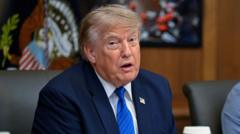
President Trump has canceled planned US military strikes against Iran, citing ongoing negotiations and requests from several Middle Eastern countries to delay action as a potential agreement takes shape. This decision marks a crucial pause in escalating tensions between the two nations.
What happened
The US president announced that planned retaliatory strikes against Iran were called off. He indicated that the "perimeters" or basic framework of a deal had been agreed upon following requests from Iran and multiple Middle Eastern countries seeking to avoid immediate conflict. Although specific details of the potential deal and its terms were not made public, the announcement suggests progress toward a diplomatic resolution.
These developments come after a period of heightened tensions in the Middle East, including recent attacks attributed to Iran or its allied groups. The cancellation of strikes follows urgent diplomatic interventions and signals a window of opportunity to resolve disputes peacefully.
Why it matters
The cancellation reduces the risk of a broader military conflict in an already volatile region. US-Iran relations have been marked by decades of hostility, involving sanctions, proxy conflicts, and nuclear program concerns. Avoiding immediate military action not only prevents potential loss of life and economic fallout but also allows diplomatic channels to remain open.
Moreover, the involvement of Middle Eastern nations in urging restraint underscores the regional impact of US-Iran relations. These countries have a vested interest in stability due to economic ties, security concerns, and the broader balance of power. Their role as intermediaries highlights shifting dynamics where regional voices influence US foreign policy decisions.
However, the situation remains fragile. The agreement’s success depends on swift and effective negotiation, and any breakdown could quickly reignite tensions. Thus, the announcement does not signal resolution but rather a critical pause and opportunity for diplomacy.
The bigger picture
US-Iran relations have long been complex and fraught, shaped by the 1979 Iranian Revolution, decades of sanctions, and contentious nuclear agreements such as the 2015 Joint Comprehensive Plan of Action (JCPOA). Since the US withdrawal from the JCPOA in 2018, tensions have increased significantly.
This latest development arrives amid significant regional instability, including conflicts in Syria and Yemen, and concerns about Iran’s nuclear ambitions and its support for proxy forces. The prospect of a deal could influence these broader security issues, potentially affecting not only US-Iran relations but also the geopolitical landscape of the Middle East.
Middle Eastern nations acting as mediators or urging calm represent shifts in the region’s diplomatic alignments and growing desires to prevent further escalation. Their involvement reflects the intertwined nature of regional security and the high stakes of the conflict.
What to watch next
Global observers should closely follow official statements from both US and Iranian governments regarding the deal’s progress or setbacks. The roles of Middle Eastern intermediaries, including how actively they engage in facilitating dialogue, will also be critical.
Potential indicators of success include public confirmation of deal terms, timelines for implementation, and a reduction in hostile rhetoric or military movements. Conversely, renewed conflict or failure to finalize negotiations could lead to a rapid escalation.
In addition, attention should be paid to how this situation influences broader diplomatic efforts, such as nuclear non-proliferation talks and regional security partnerships. The coming weeks may determine whether the pause in military action evolves into a sustainable diplomatic breakthrough or collapses back into confrontation.
Source note
This explainer is based on the BBC World report titled "Trump cancels Iran strikes subject to deal being made 'rapidly'" available at here
BBC World
Read the source report