Why Fashion’s Push for Sustainability Faces Shopper Resistance
Fashion brands invest heavily in green practices while many consumers prioritize low prices, creating a puzzling industry gap.
The quick version
Fashion brands worldwide are intensifying their commitments to sustainability, introducing initiatives such as circularity and waste reduction. Despite these efforts, a large segment of consumers remains focused on affordability and often overlooks sustainable options, creating a paradox within the industry.
What happened
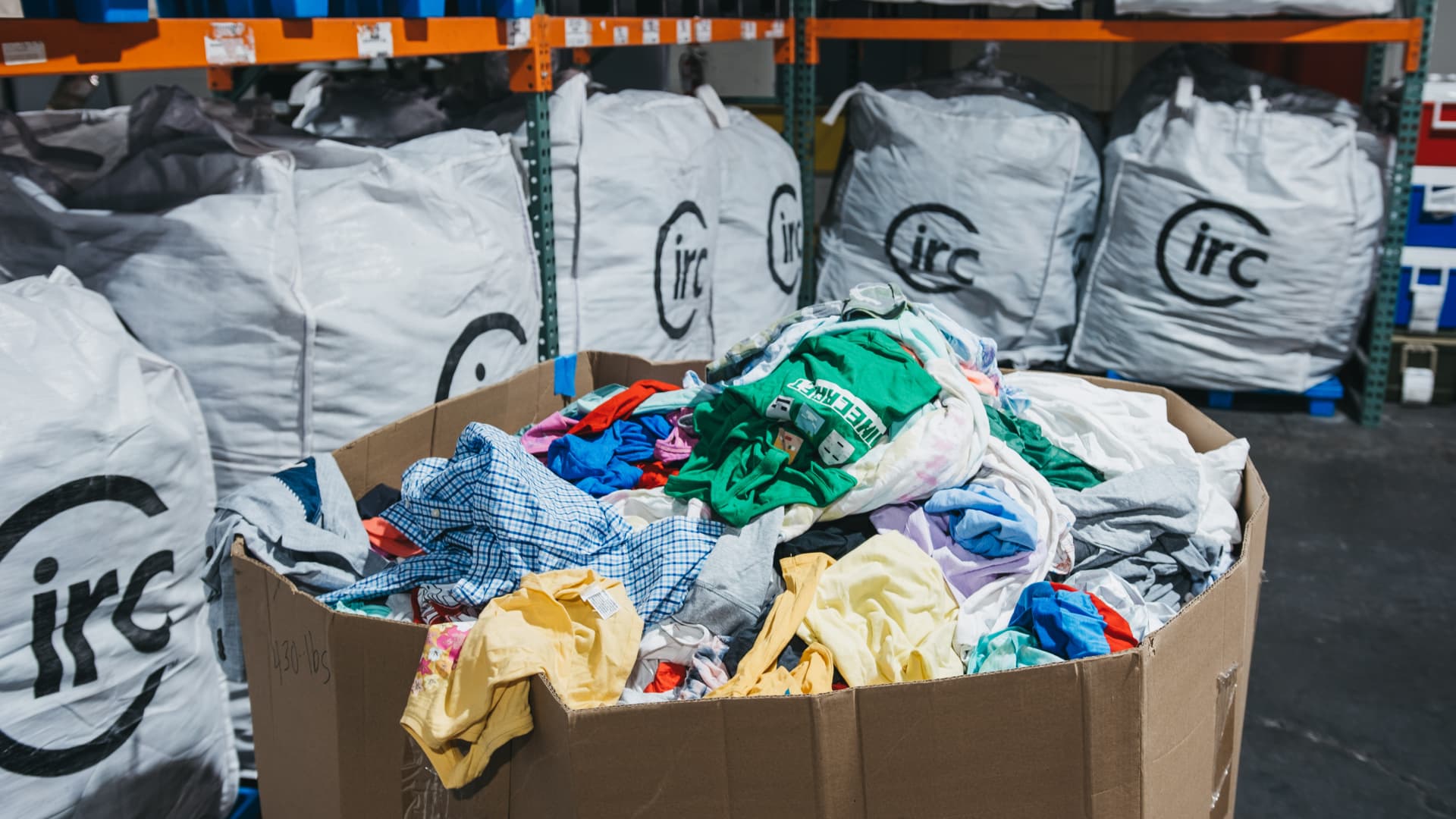
Major players in the fashion industry, including luxury conglomerates like Kering, which owns Gucci, are setting ambitious sustainability targets. These targets often involve shifting towards circular business models aimed at recycling and repurposing materials to minimize environmental damage. Others are investing in greener supply chains, ethical sourcing, and reducing carbon emissions. However, the market response from shoppers tells a different story. Value-seeking consumers continue to prioritize low prices and trend-driven fast fashion, frequently ignoring or not fully engaging with sustainability messages. This dissonance poses a fundamental challenge for brands striving to change both production practices and consumer behavior simultaneously.
Why it matters
The fashion industry is one of the world’s largest polluters, responsible for significant water use, greenhouse gas emissions, and waste generation. As such, the shift to sustainable practices is crucial for reducing its environmental footprint. However, the resistance or indifference from shoppers to pay a premium for green products threatens the viability of these investments. Brands face pressure to remain profitable amid changing consumer dynamics, and if the demand for sustainable fashion does not grow, their costly environmental strategies risk financial strain. This gap could delay meaningful progress towards sustainability goals and limits the effectiveness of the industry’s environmental reforms.
The bigger picture
The push toward sustainability in fashion aligns with mounting global regulatory demands and increasing shareholder and public scrutiny. Governments are beginning to implement stricter rules on waste, emissions, and transparency, motivating brands to adapt. Meanwhile, consumers worldwide are becoming more aware of fashion’s environmental and social impacts. Nevertheless, many shoppers—particularly younger consumers—continue to balance their environmental concerns against budget constraints and rapid trend turnover. This conflict underlines a pivotal question for the industry: how can brands successfully integrate sustainable practices without alienating price-sensitive customers or compromising market competitiveness?
What to watch next
Industry analysts and observers will be monitoring how brands evolve their approaches to sustainability in a bid to appeal to cost-conscious consumers. Potential strategies include offering more affordable eco-friendly collections, increasing the transparency of supply chains, expanding take-back and recycling programs, and innovative marketing that better communicates value beyond price. Additionally, regulatory developments and changing consumer attitudes—shaped by education and social movements—will influence how quickly and effectively the industry can bridge the gap between sustainability commitments and shopper behavior. Tracking sales trends of sustainable lines alongside brand investments will provide insights into whether this paradox can be resolved.
Source note
This explainer is based on reporting by CNBC World. Original article: here
CNBC World
Read the source report