How Rising 30-Year Treasury Yields Could Affect Your Financial Future
30-year US Treasury yields have surged to a 19-year high, signaling shifts that could impact mortgages, loans, and investment returns. Here's what to expect next.
The quick version
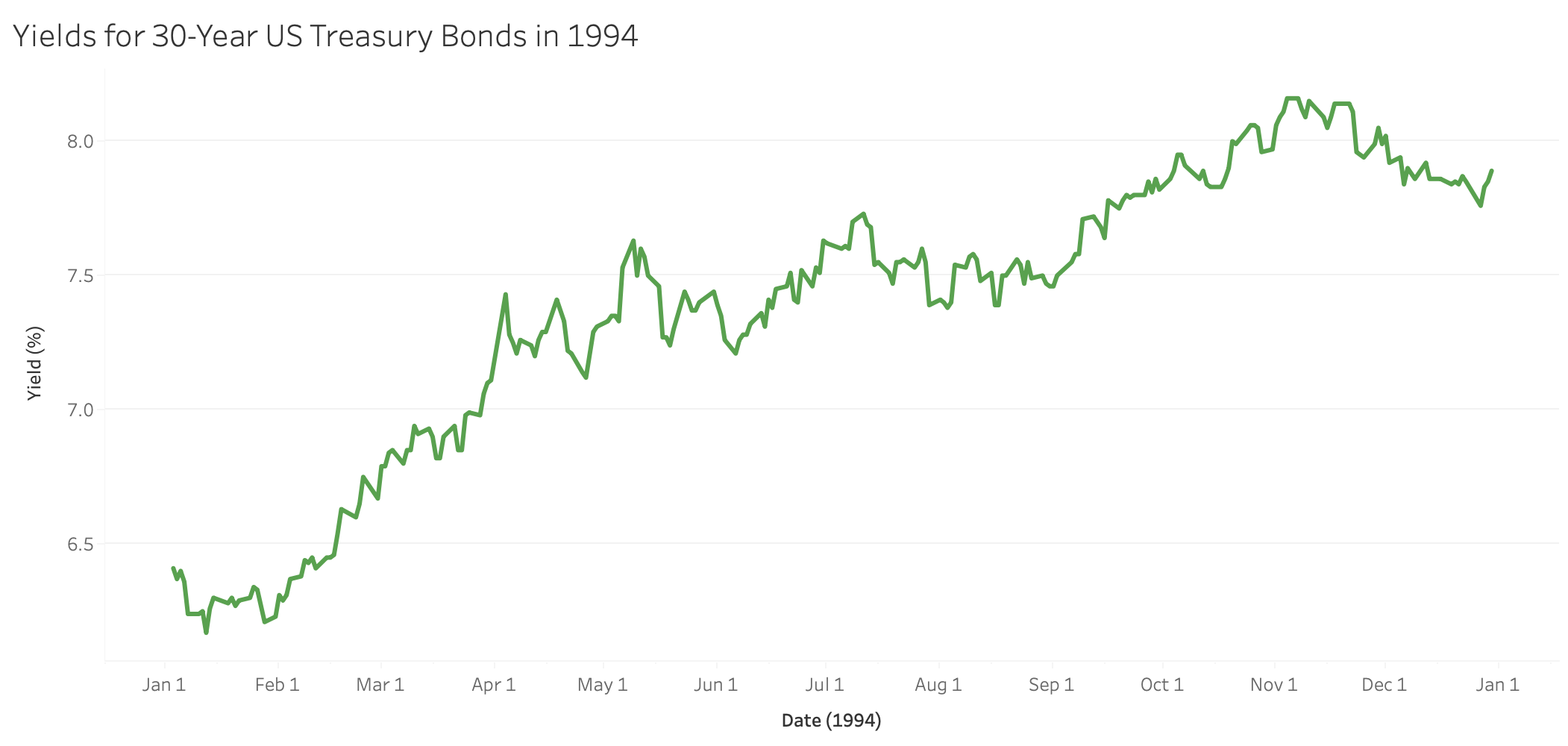
The yield on the 30-year US Treasury bond recently hit its highest level in nearly two decades, a development that has caught the attention of investors, homeowners, and policymakers alike. This surge is significant because long-term Treasury yields serve as a key benchmark for borrowing costs across the economy—including mortgages, business loans, and government financing. With yields reaching the highest point since the early 2000s, numerous financial areas could experience ripple effects, influencing daily budgets and investment decisions.
What happened
Following a prolonged period of historically low interest rates, the 30-year US Treasury yield has climbed sharply. The rise is attributed to a complex mix of factors including persistent inflationary pressures, expectations of tighter monetary policy by the Federal Reserve, and shifts in investor sentiment pointing to concerns about long-term economic growth and fiscal sustainability. Some financial strategists now say the bond market is entering a "danger zone" where large yield increases could disrupt market stability.
Specifically, the 30-year Treasury yield, which affects mortgage rates and other consumer lending rates, reached levels not seen since the early 2000s. This signals that borrowing costs for long-term loans are rising, which may slow down sectors dependent on accessible credit. The increase also affects bond prices inversely; as yields go up, existing bond prices typically fall, impacting portfolios that hold fixed-income assets.
Why it matters
Treasury yields influence a wide range of financial products and services. When yields rise, mortgage rates generally increase, leading to higher monthly payments for homebuyers and refinancers. This could slow housing market activity and put pressure on affordability for many Americans. For corporations, higher borrowing costs might result in delayed investment or cost-cutting measures, which may affect employment and economic growth.
For investors, the situation is mixed. Higher yields improve the return potential of new bonds, offering an attractive alternative to more volatile equity investments. However, rising yields decrease the value of existing bonds issued at lower rates, leading to losses in bond portfolios and increased market volatility. Understanding these dynamics helps households, investors, and financial planners adapt to changing conditions and manage risk effectively.
The bigger picture
Long-term Treasury yields often act as economic barometers. Rising yields can indicate expectations of accelerated inflation or a more aggressive stance from the Federal Reserve on interest rates to combat inflation. This creates a delicate balancing act: the Fed aims to control inflation without pushing the economy into recession.
The current surge in yields also reflects investor concerns about fiscal policies and the growing national debt. Higher yields increase the cost of government borrowing, which can have implications for budget deficits and future policy decisions. Pension funds, insurance companies, and other large institutional investors are closely watching these trends, as bond market shifts directly affect their long-term obligations and investment strategies.
What to watch next
In the coming months, closely monitor Federal Reserve communications, including interest rate guidance and inflation reports, to gauge the trajectory of Treasury yields. Inflation data remains a critical indicator of whether the Fed will continue tightening monetary policy or consider pausing.
For consumers, mortgage rates typically move in tandem with 30-year Treasury yields, so prospective homebuyers and those refinancing should track these developments carefully. Higher borrowing costs might prompt adjustments in home purchasing plans or delay market activity.
Investors may need to reassess the composition of their bond holdings and diversify portfolios to mitigate risks associated with increased volatility. Strategies that balance equities, bonds, and other asset classes can help navigate the financial landscape shaped by rising yields.
Staying informed about economic indicators and market reactions will be essential for managing personal finances and making sound investment decisions as Treasury yields continue to fluctuate.
Source note
This article is based on aggregated reports from Yahoo Finance, The New York Times, CNBC, NBC News, and CNN, as referenced in the Google News business category. Original link: here
Google News - Business
Read the source report