What Led to Nirmal Purja's Fatal Avalanche in Pakistan?
The body of famed climber Nirmal Purja has been recovered after a deadly avalanche in Pakistan. His record-setting feats raised the stakes for mountaineers worldwide.
The quick version
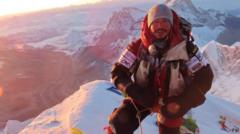
Nirmal Purja, the renowned Nepalese mountaineer celebrated for scaling the world’s 14 highest peaks in just over six months, tragically died after being caught in a powerful avalanche in Pakistan. Rescue teams recovered his body, ending hopes for a safe rescue and confirming his death.
What happened
Purja was involved in a mountaineering expedition in Pakistan, a country known for some of the most challenging and dangerous high-altitude terrains in the world. On the slopes of a snow-covered mountain, an avalanche struck the area where Purja was climbing. Avalanches in this region often occur due to unstable ice and heavy snowfall combined with shifting weather conditions. Precise details about the time and exact location of the avalanche remain limited as investigations continue.
After the incident, search and rescue teams launched a swift operation to locate Purja. Despite challenging weather and terrain, they managed to find and recover his body, bringing closure to a search that had gripped the mountaineering community. No survivors were reported in the avalanche, highlighting the dangerous conditions faced by climbers in high mountain regions.
Why it matters
Nirmal Purja was not only a talented climber but also a trailblazer who altered perceptions of what is possible in high-altitude mountaineering. In 2019, he completed the extraordinary feat of summiting all 14 peaks over 8,000 meters in height — known as the eight-thousanders — within a record-breaking timeframe of just over six months. This achievement brought fresh attention to the discipline and inspired climbers around the globe.
His death underscores the inherent risks in elite high-altitude mountaineering, even for the most experienced and well-prepared climbers. It highlights how avalanches remain one of the deadliest hazards in mountainous areas. Purja’s passing serves as a somber reminder of nature’s unpredictability and the physical and environmental challenges climbers face.
The bigger picture
High-altitude climbing continues to be one of the most perilous adventure sports on Earth. Regions like the Himalayas and the Karakoram, where Purja undertook many ascents, present unpredictable weather, shifting ice formations, crevasses, and frequent avalanches. Climbers, despite advances in technology, weather forecasting, and equipment, remain vulnerable to these natural forces.
Climate change adds another layer of complexity. Warmer temperatures can destabilize glaciers and snowpacks, increasing the likelihood of avalanches and making traditional climbing routes more dangerous. Purja’s death reignites discussions in the mountaineering community about how climate patterns impact safety and whether new strategies are needed to mitigate these threats.
Moreover, his legacy challenges the balance between pushing human limits and managing risks. As mountaineering grows in popularity, it prompts questions about preparedness, emergency response capabilities, and the ethical considerations of high-risk climbing expeditions.
What to watch next
In the coming weeks and months, authorities and mountaineering organizations in Pakistan and internationally may review safety protocols and response tactics for avalanche-prone regions. Investigations may reveal more specific factors contributing to the incident, such as weather patterns or changes in snowpack stability.
The climbing community is likely to engage in conversations about improving risk management, increasing support for rescue operations, and considering the effects of environmental changes on mountain safety. Purja’s death might also inspire discussions on how best to honor his accomplishments while ensuring future climbers’ safety.
Efforts to document and learn from this tragedy could lead to enhanced training for climbers and guides, better avalanche prediction techniques, and stronger international cooperation for emergency preparedness in high mountains.
Source note
Information sourced from BBC World report: here
BBC World
Read the source report