How Xi Jinping’s Back-to-Back Summits with Putin and Trump Signal Global Ambitions
Xi Jinping recently hosted Vladimir Putin and Donald Trump in quick succession, projecting an image of diplomatic independence and broad influence.
The quick version
Chinese leader Xi Jinping has recently hosted two extremely high-profile guests in rapid succession: Russian President Vladimir Putin and former U.S. President Donald Trump. These back-to-back meetings are unusual in their timing and the stature of the visitors, underscoring Xi’s intent to showcase China as a pivotal player on the world stage. Through these visits, Xi aims to convey that China engages widely and independently, without being bound to any single alliance.
What happened
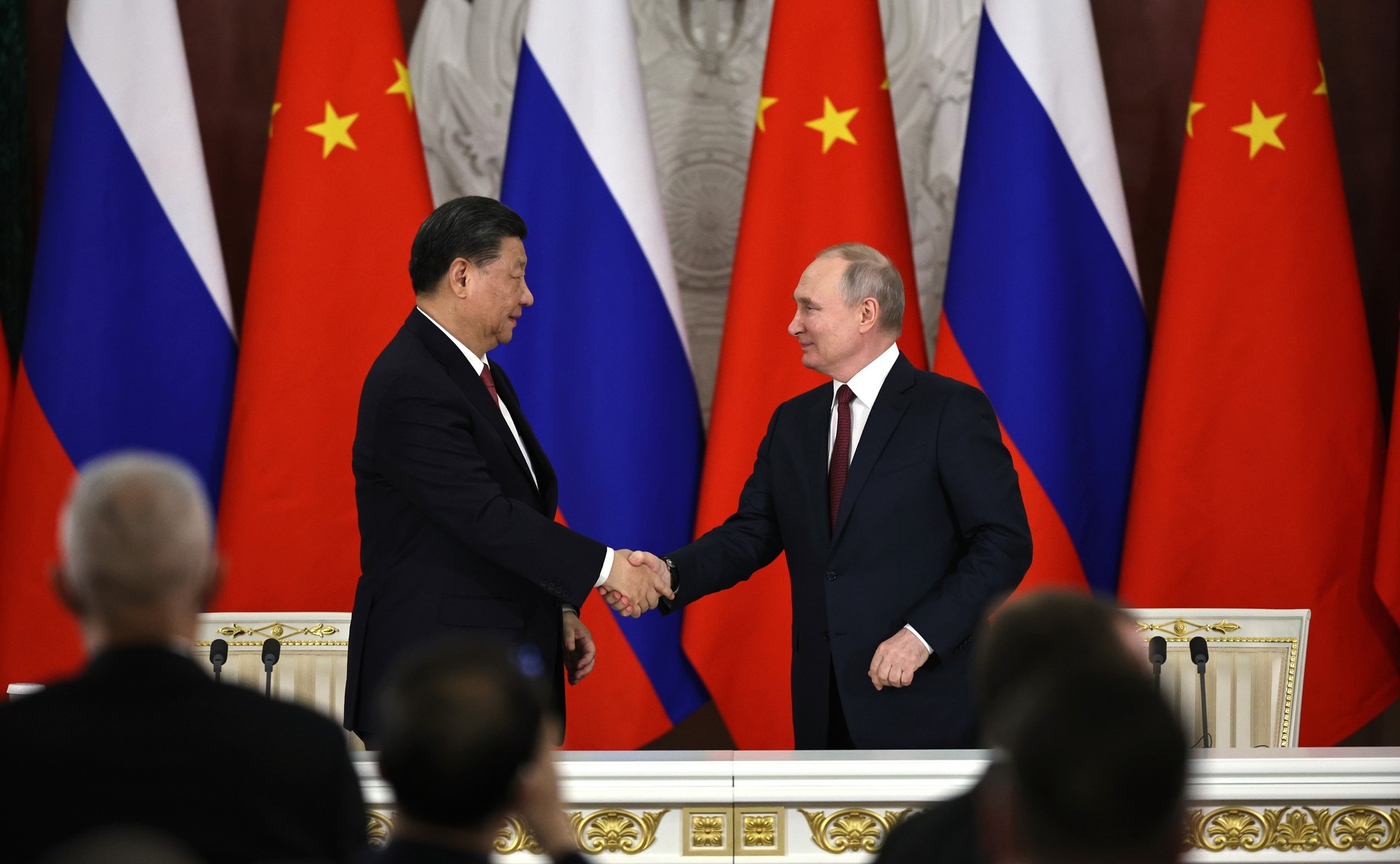
Within a matter of days, Xi Jinping welcomed Vladimir Putin and Donald Trump to Beijing. Putin’s visit reinforces the close partnership between China and Russia, particularly significant amid the current geopolitical climate marked by tension between Russia and Western countries. Hosting Vladimir Putin signals continuity in this important strategic relationship.
Just days later, Xi received Donald Trump, a former U.S. president and influential figure in American politics. Trump’s visit was notable not only because he is no longer in office, but because it suggests China’s interest in maintaining open channels of communication beyond the current U.S. leadership. The swift succession of these visits portrays Xi as a leader who talks to all sides and manages relations fluidly across differing political ideologies.
Why it matters
This diplomatic sequence is important for several reasons. Firstly, it highlights Xi Jinping’s growing role as a global interlocutor capable of engaging diverse political figures. By meeting both Putin and Trump in quick succession, Xi underscores China’s strategy of balancing multiple influential partners instead of aligning exclusively with one.
Secondly, it reflects China’s diplomatic ambitions amid a world marked by shifting alliances and unpredictability. The visit by Putin emphasizes China’s ongoing partnership with Russia, which remains crucial due to sanctions on Russia and tensions in global politics.
Simultaneously, the meeting with Trump demonstrates Beijing’s recognition of the complexity within U.S. politics and its desire to engage beyond the incumbent administration. This dual engagement signals a nuanced approach aiming to maximize China’s leverage regardless of changing global power dynamics.
The bigger picture
China’s foreign policy has often been framed in relation to its rivalry with the United States and its strategic cooperation with Russia. However, Xi’s recent actions suggest an effort to move beyond a binary framework. By simultaneously cultivating ties with a former American president and deepening collaboration with Russia, Xi projects an image of a flexible and autonomous global leader.
These moves may influence how other countries approach China, potentially encouraging more diplomatic and economic engagement given Beijing’s demonstrated willingness to work across political divides. It also indicates China’s ambition to shape discussions on global governance, trade, and security with increased confidence and influence.
What to watch next
Following these high-profile summits, observers will be closely monitoring Beijing’s diplomatic strategies to determine if China pursues a broader, more balanced engagement with other major powers or chooses to strengthen exclusive partnerships, particularly with Russia.
How Xi Jinping navigates relationships with different political leaders will offer insights into China’s approach to global governance and conflict resolution in the coming years. Additionally, the implications of these visits on U.S.-China relations remain critical, especially how Beijing’s outreach to figures like Trump affects future diplomacy.
The development of China-Russia relations amid ongoing geopolitical tensions and any shifts in alliances will also be key areas to observe as the global political landscape evolves.
Source note
This explainer is based on reporting by BBC World, originally published at here
BBC World
Read the source report