How Israel and the US Planned to Reinstate Ahmadinejad in Iran
An Israeli strike aimed to free Mahmoud Ahmadinejad from house arrest, part of a covert US-backed plan to change Iran’s leadership.
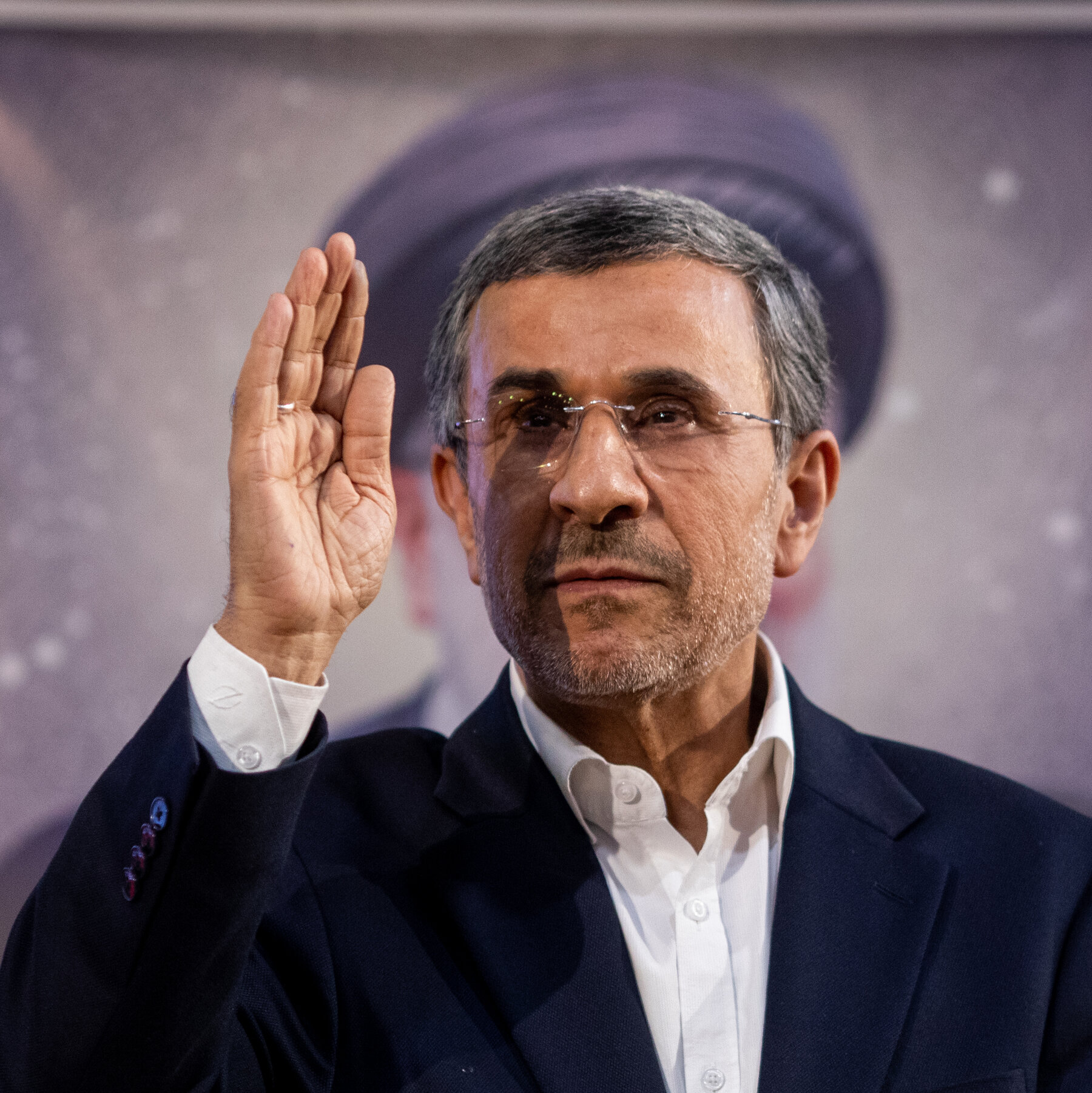
The quick version
An Israeli military operation reportedly targeted Mahmoud Ahmadinejad to free him from house arrest in Tehran, as part of a U.S.-supported effort to shift Iran’s regime toward a hard-line former leader.
What happened
According to U.S. officials, early in the conflict, Israel carried out a strike intended to release Mahmoud Ahmadinejad, the former president of Iran who was under house arrest. This operation was reportedly coordinated with support from the United States, aiming to reinstate Ahmadinejad as Iran's leader. The move was part of a broader covert attempt at regime change during a period of escalating tensions in the region.
This detail has emerged amid ongoing high-stakes confrontations between Iran, Israel, and the United States. The Israeli strike was reportedly designed to serve a strategic goal of reshaping Iran's political landscape by promoting a figure known for his hard-line views and long-standing opposition to more moderate factions within the Iranian government.
Why it matters
The reported plot to bring Ahmadinejad back into power exposes the lengths to which foreign powers like the U.S. and Israel have gone to influence Iran's internal politics beyond conventional diplomacy. Ahmadinejad, as a former Iranian president, is a highly controversial figure known for his extreme rhetoric and antagonistic posture toward the West and Israel.
Reinstating him could have profound implications for regional stability. It risks escalating tensions further across the Middle East, potentially inflaming conflicts and complicating diplomatic efforts already underway to manage Iran’s nuclear ambitions and its regional influence.
This attempt highlights the fragility of the current balance of power and the possibility of increased instability should covert operations escalate.
The bigger picture
Iran has long been at the center of geopolitical struggle involving its nuclear program, regional influence, and ideological opposition to Western policies. The U.S. and Israel have maintained a vigilant stance against Iran’s activities, including economic sanctions, intelligence operations, and, as now revealed, military maneuvers aimed at regime change.
Such covert operations carry high risks, including unintended escalations or backlash within Iran that could strengthen hard-line elements rather than weaken them. The strategy also complicates international diplomatic negotiations, including those aimed at curbing Iran’s nuclear program or lessening regional hostilities.
Understanding these behind-the-scenes efforts helps clarify the intense rivalries and the ongoing strategic contest that shapes Middle Eastern politics.
What to watch next
Official reactions from Tehran and Washington will be crucial to monitor. How Iran responds internally and externally to these revelations may influence the broader geopolitical environment.
Attention will also focus on any new intelligence, military actions, or diplomatic moves from Israel or the U.S. concerning Iran's leadership and nuclear policies. Close observation of Iran’s domestic political shifts could provide insight into the effectiveness of this operation and its potential repercussions.
This story is developing, and future developments could affect diplomatic negotiations, military conflicts, or regional alliances.
Source note
This report is based on information published by The New York Times, accessible here
New York Times World
Read the source report