Why Xi Jinping’s Warning on ‘Law of the Jungle’ Matters in Putin Meeting
China’s Xi Jinping warns of dangerous global competition in talks with Vladimir Putin, signaling risks amid shifting world alliances and renewed energy deals.
The quick version
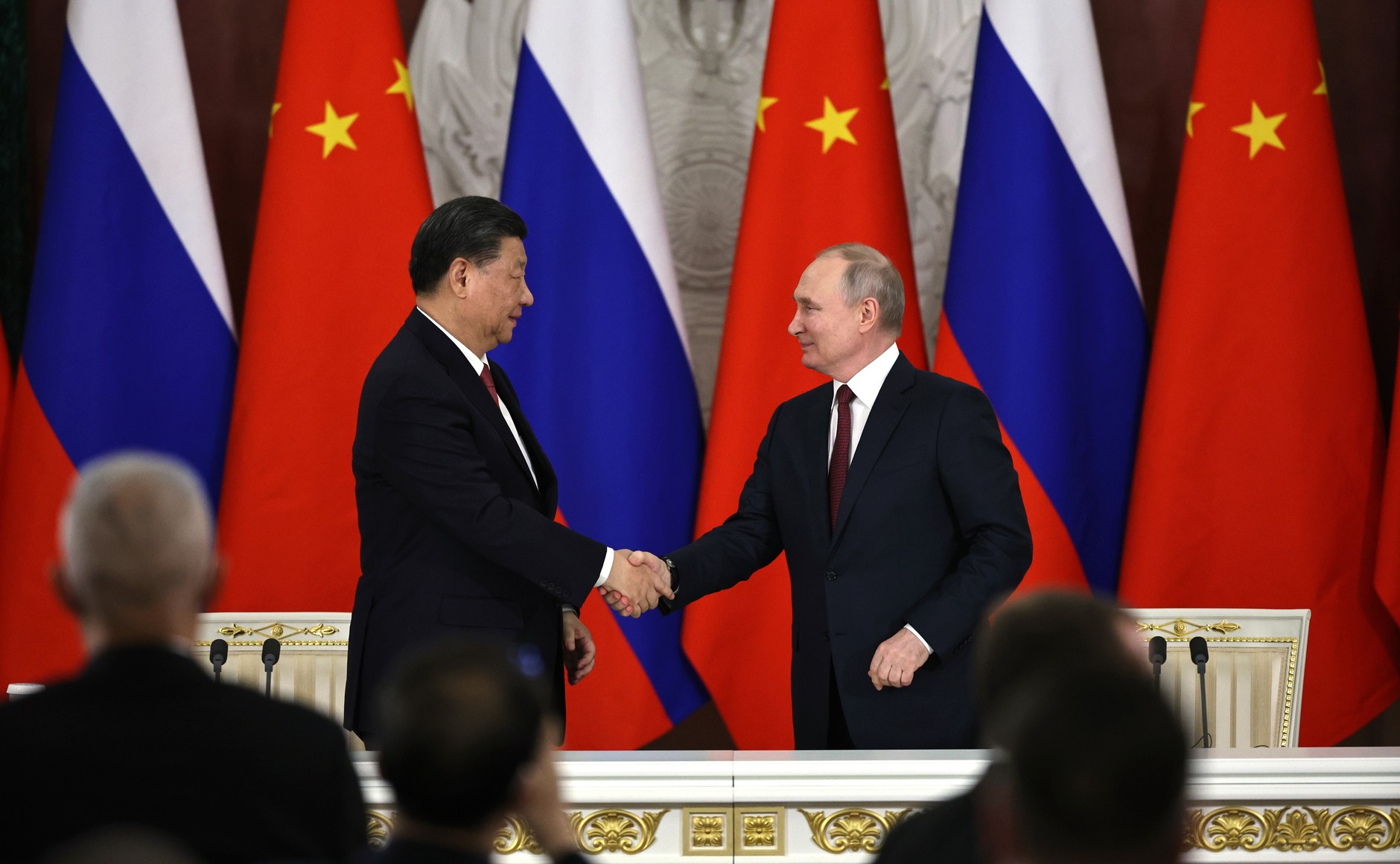
China’s President Xi Jinping warned Russian President Vladimir Putin against letting international relations deteriorate into a ‘law of the jungle’ environment during their recent summit in Beijing. The leaders also renewed plans for a significant gas pipeline project, underscoring deepening cooperation as global tensions escalate.
What happened
In a high-profile meeting held shortly after Xi hosted former U.S. President Donald Trump, Xi and Putin discussed their growing strategic partnership. Xi’s caution about the ‘law of the jungle’ referred to a disruptive global dynamic where might overrides diplomacy and established international laws. This meeting resulted in renewed commitment to progress on a major gas pipeline connecting Russia’s vast energy reserves with China’s expanding demand. The project aims to boost energy security and economic ties between the two nations, reflecting their intent to strengthen bilateral cooperation amid evolving geopolitical challenges.
Why it matters
Xi Jinping’s warning highlights the fragility and volatility of the current international order. His use of the phrase ‘law of the jungle’ evokes concerns over a world where power struggles become unchecked, increasing the likelihood of conflicts and undermining global stability. This message is significant as China and Russia continue to tighten their political and economic alignment, standing in contrast to Western policies, sanctions, and diplomatic efforts. Their collaboration on energy infrastructure, like the gas pipeline, showcases their ability to coordinate long-term projects that may shift the balance in global energy markets and geopolitical influence.
The bigger picture
The meeting is emblematic of a broader pattern of closer China-Russia relations, driven by shared responses to Western sanctions and global realignments precipitated by the Ukraine war and rising U.S.-China tensions. The pipeline initiative signals an important strategic move, positioning both countries to capitalize on their resource strengths amid uncertain global energy supplies. Meanwhile, China’s recent diplomatic engagements, such as hosting Trump just days before Putin’s visit, reveal its complex approach to balancing ties with multiple global powers. This multi-vector diplomacy suggests China is actively managing its position in an increasingly fragmented international landscape.
What to watch next
Close attention should be paid to how the China-Russia partnership evolves in the coming months, particularly regarding their influence on global diplomatic and economic arrangements. Progress on the gas pipeline will be a key indicator of deepening energy interdependence, affecting supply dynamics not only in Asia but worldwide. Additionally, watch for responses from the United States and its allies, who may reassess security and trade policies in response to the strengthened China-Russia axis. Global observers will also monitor whether this alliance translates into coordinated positions on major international issues, potentially reshaping power structures and alliances.
Source note
This summary is based on coverage from the Financial Times, BBC, The New York Times, Reuters, and The Guardian, as aggregated by Google News: here
Google News - World
Read the source report