Why Xi Jinping’s Warm Welcome to Putin Signals Shifting Global Alliances
China’s Xi Jinping gave Vladimir Putin a grand reception, signaling stronger ties amid US tensions. This meeting could reshape strategic balances worldwide.
The quick version
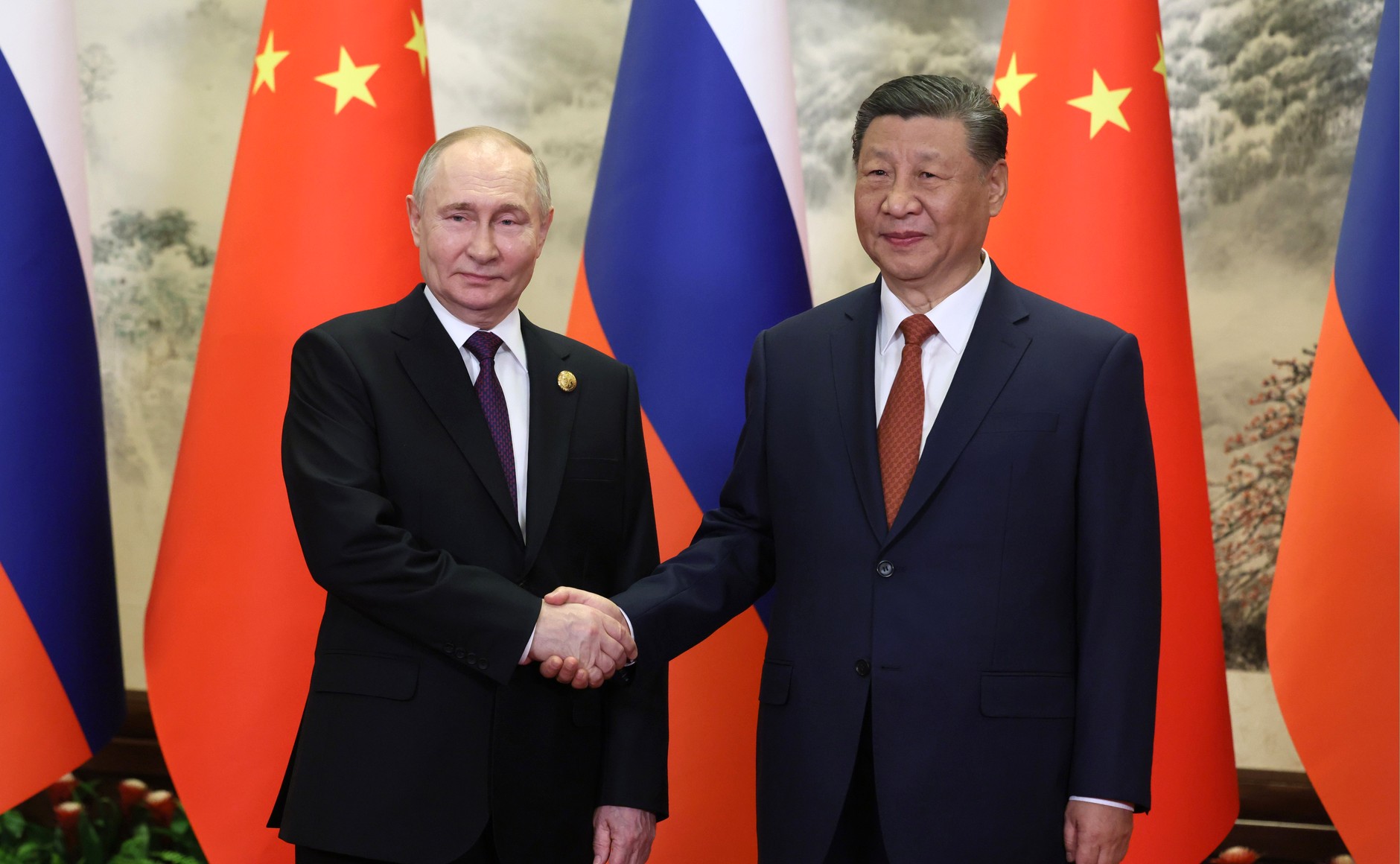
Chinese President Xi Jinping extended a lavish red-carpet welcome to Russian President Vladimir Putin in Beijing, underscoring the deepening diplomatic and strategic relationship between the two countries. This high-profile meeting came just days after Xi hosted former U.S. President Donald Trump, highlighting China’s balancing act amid growing geopolitical tensions. Xi’s remarks during the event contained a veiled criticism of the United States, reflecting Beijing’s frustration with Washington’s policies and signaling a closer China-Russia partnership.
What happened
Xi Jinping formally hosted Vladimir Putin during a highly ceremonial visit to Beijing. The summit represented a significant diplomatic gesture emphasizing the strengthening bond between China and Russia. The timing was notable; Xi had met with Trump less than a week earlier, showing China’s strategic engagement with different global powers. During the meeting, Xi made pointed comments that, without explicitly naming the U.S., conveyed dissatisfaction with American foreign policy. Both leaders discussed several key issues including cooperation on nuclear energy and the sensitive subject of Taiwan. These talks indicate an alignment of interests and a coordinated approach to regional security and global diplomacy.
Why it matters
This event is important because it publicly affirms the solidarity between China and Russia at a moment when both nations face mounting pressure and strained relations with the United States and its allies. By rolling out the red carpet for Putin and focusing discussions on contentious topics like Taiwan, Xi signaled a clear message to the international community: China and Russia are forging a closer partnership. This growing alliance has the potential to disrupt global power balances, influence economic partnerships, and complicate diplomatic efforts, especially as the U.S. navigates its strategic competition with both countries.
The bigger picture
Over recent years, China and Russia have steadily moved closer on military, political, and economic fronts. This shift is partially a response to Western sanctions, diplomatic challenges, and a shared desire to counterbalance U.S. influence. Xi’s reception of Putin shortly after his talks with Trump reflects China’s nuanced diplomacy—engaging with multiple players while making it clear where its priorities lie. The interaction must also be viewed in the wider context of heightened competition in Asia, energy security concerns, and differing visions for the global order based on sovereignty and multipolarity.
What to watch next
In the coming weeks and months, attention will focus on any concrete outcomes from the Xi-Putin meeting, particularly initiatives related to nuclear energy cooperation, which may affect global energy markets and geopolitical dynamics. Developments involving Taiwan will be especially significant, as a stronger China-Russia partnership could embolden Beijing’s strategic approach toward the island. Moreover, the international community will closely monitor how the U.S. and its allies respond to this display of unity, which will influence future diplomatic relations and power alignments around the world.
Source note
Source: Google News – World Original link: here
Google News - World
Read the source report