Why Xi Jinping Is Strengthening Ties with Putin After Hosting Trump
Days after meeting Trump, China's Xi Jinping called for peace in the Middle East while deepening strategic ties with Vladimir Putin amid rising global tensions and complex diplomacy.
The quick version
China’s President Xi Jinping recently hosted former U.S. President Donald Trump and swiftly shifted focus to reinforcing his relationship with Russian President Vladimir Putin. In this period, Xi called for a cessation of hostilities in the Middle East, avoided condemning Russia’s ongoing war in Ukraine, and delivered subtle criticisms directed at the United States, signaling nuanced geopolitical positioning.
What happened
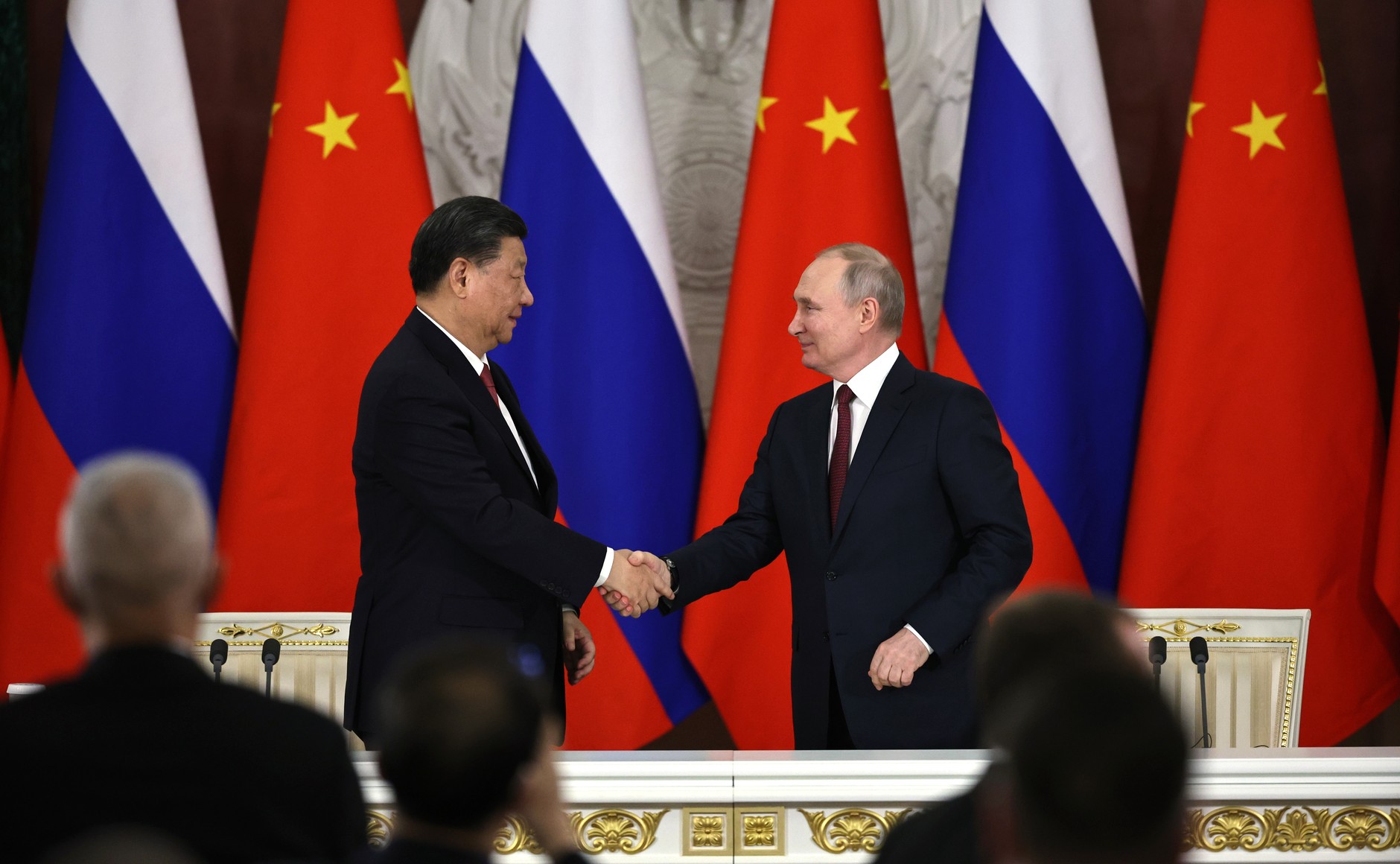
Following a highly publicized meeting with Donald Trump, Xi Jinping met Vladimir Putin, underscoring the deepening strategic partnership between China and Russia. While Xi urged all parties to halt the fighting in the embattled Middle East region—interpreted as a diplomatic push for peace amid persistent conflict—he notably refrained from condemning Russia’s military actions in Ukraine, a central point of international contention. His remarks included veiled critiques of the United States, reflecting the rising tensions between Beijing and Washington. This dual approach highlights China's intent to expand influence while maintaining close ties with Moscow, positioning itself as a key player on the global stage.
Why it matters
Xi Jinping’s actions come at a critical junction in global geopolitics. By publicly promoting peace in the Middle East, China attempts to cast itself as a responsible and stabilizing force amid chaos. However, the decision to sidestep direct criticism of Russia’s war in Ukraine sends a clear message of tacit support or strategic tolerance toward Moscow’s agenda. This balancing act reflects Beijing’s broader goal of reshaping the current international order and challenging U.S. influence. The deepening China-Russia alliance could alter traditional global power dynamics, forcing the West to reconsider its diplomatic and strategic approaches in multiple regions.
The bigger picture
The growing cooperation between China and Russia represents a significant challenge to U.S. leadership worldwide. Both countries share an interest in countering Western dominance through coordinated diplomacy, economic partnerships, and military collaborations. Their strengthened alliance comes amid ongoing conflict in Ukraine, where Western countries have provided extensive support to Ukraine, and in the Middle East, a region caught in the crosshairs of global power rivalries. China’s engagement reflects a strategic move to expand its global reach while avoiding direct confrontation with the West. Its calls for peace in the Middle East may also serve to increase its influence in this geopolitically critical region, potentially reshaping how conflicts are managed and negotiated.
What to watch next
International observers should closely monitor how the United States and its allies respond to China’s growing closeness with Russia, especially against the backdrop of the persistent crisis in Ukraine. Any shifts in U.S. foreign policy or alliances could emerge as a reaction to this Sino-Russian partnership. Additionally, developments in the Middle East will be crucial, particularly if China seeks to play a more active diplomatic or mediating role there. The evolving relationship between these major powers is likely to influence global diplomatic strategies, security arrangements, and economic policies in the months ahead.
Source note
This explainer is based on reporting by The New York Times World. Full article: here
New York Times World
Read the source report