Why WHO's Ebola Response Faces Scrutiny and What Comes Next
WHO chief defends agency's handling of Congo Ebola outbreak amid criticism. Understanding the challenges clarifies why this matters globally now.
The quick version
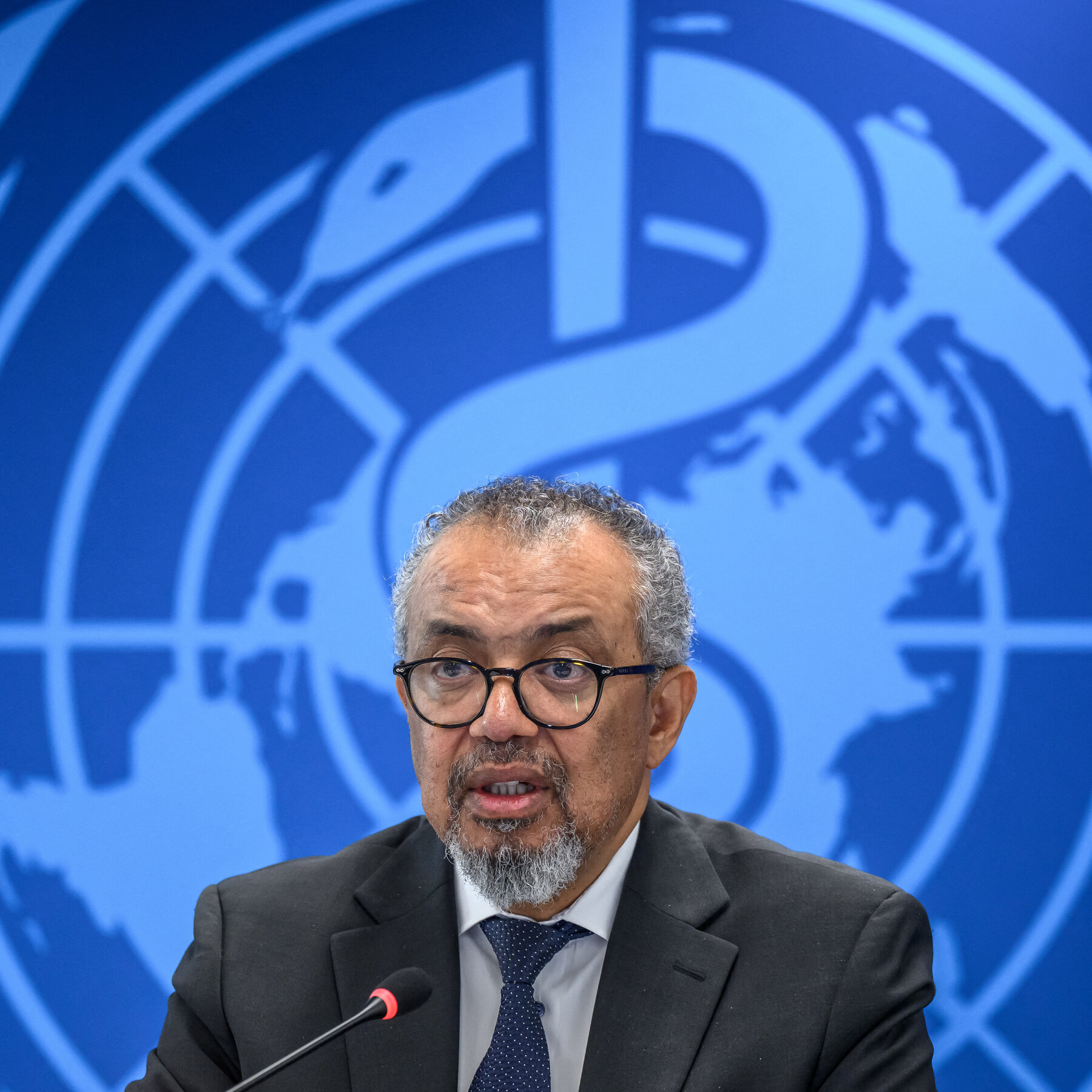
World Health Organization (WHO) Director Tedros Adhanom Ghebreyesus recently addressed mounting criticism over the agency’s response to the Ebola outbreak in the Democratic Republic of Congo (DRC). He suggested that this criticism largely reflects a “lack of understanding” about how WHO operates during complex health emergencies.
What happened
Since the Ebola outbreak was detected in Congo, the WHO has been at the center of intense scrutiny regarding the speed and effectiveness of its response. Tedros publicly defended WHO’s strategies, explaining that combating Ebola in Congo is especially difficult due to a combination of logistical hurdles, insecurity in affected regions, political dynamics, and constrained resources. He emphasized that managing an epidemic like Ebola requires rapid, science-based decisions while coordinating with national governments and international partners.
In his remarks, Tedros acknowledged the challenges WHO faces in balancing urgent public health interventions with the realities on the ground. These include reaching remote populations, addressing misinformation, and navigating local political tensions. He stressed that WHO’s response must adapt to evolving conditions while maintaining global health safety standards.
Why it matters
Ebola is a highly contagious and deadly virus, with high fatality rates and the potential to spread regionally and internationally. WHO’s performance in controlling outbreaks directly impacts global health security. Successful containment can prevent humanitarian crises and economic disruption far beyond Congo’s borders.
Criticism of WHO, if not properly understood, may lead to reduced funding or less cooperation from member states and local authorities, hampering the agency’s ability to manage current and future outbreaks. Tedros’ defense is thus also an attempt to maintain confidence and reinforce WHO’s critical role in epidemic preparedness and response worldwide.
The bigger picture
WHO frequently operates in volatile environments where health crises overlap with political instability and limited infrastructure. The Ebola outbreak exposes wider concerns about how international organizations coordinate responses, maintain transparency, and ensure accountability under pressure.
This episode highlights the delicate balance WHO must strike between acting quickly to save lives and managing expectations from the global community, affected populations, and governments. It also illustrates the ongoing challenges in global health governance, including the need for clear communication strategies to foster trust and cooperation.
Moreover, the scrutiny facing WHO feeds into broader conversations about reforming international health systems to better anticipate and respond to pandemics and epidemics. These debates have increased since recent global health emergencies revealed gaps in preparedness and response capacity.
What to watch next
The coming weeks will be critical in monitoring the development of the Ebola outbreak in Congo. Key indicators include whether the virus transmission slows and how WHO and local health authorities adjust containment measures.
Attention will also focus on any changes WHO may implement in its operational strategies, including enhanced deployment of resources or engagement efforts with local communities to boost vaccination and education campaigns. International support, both financial and technical, is likely to be scrutinized in light of the outbreak’s progression.
Observers should also watch responses from other global health actors and Congo’s government to gauge coordination effectiveness and the global health community’s unified approach. Maintaining WHO’s credibility and operational effectiveness in this crisis could set important precedents for handling future outbreaks worldwide.
Source note
Source: New York Times World, "Head of W.H.O. Defends Its Response to Ebola Outbreak," here
New York Times World
Read the source report