Why Trump Halted Strikes on Iran and What His Deal Could Mean
Trump has paused military actions against Iran, suggesting a deal is near. Here’s what his claim means for US-Iran relations and regional stability.
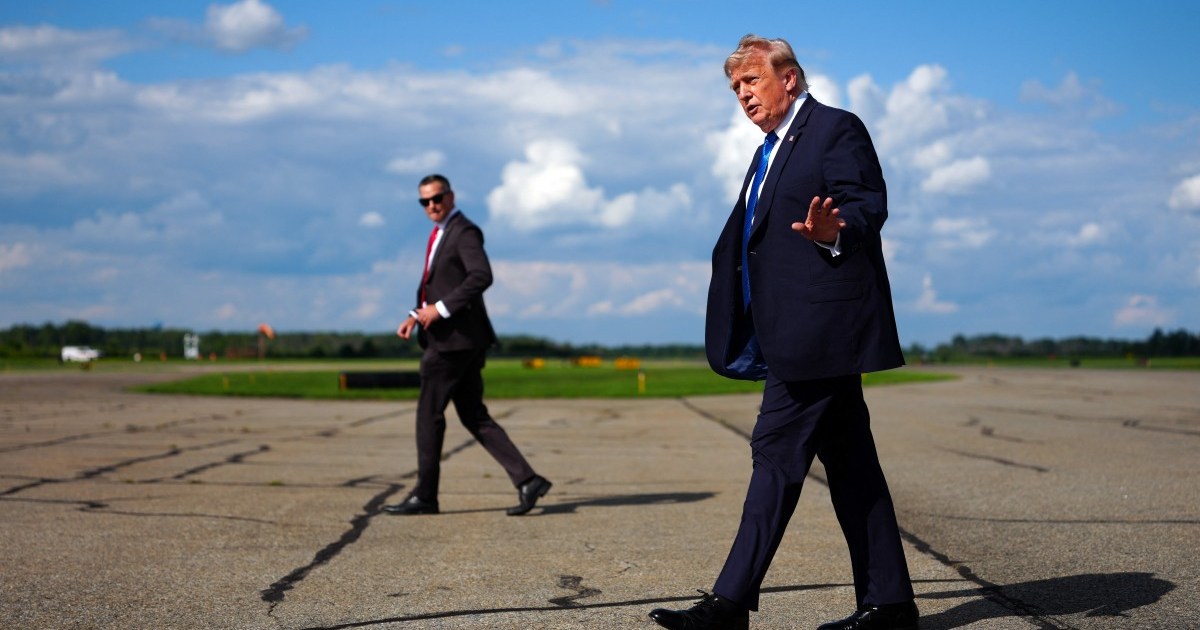
The quick version
Former US President Donald Trump has announced a halt to planned military strikes against Iran, claiming that the "perimeters of a deal has been agreed to." This development comes amid heightened tensions in the Middle East and raises questions about the nature and implications of the proposed agreement between the US and Iran.
What happened
Trump revealed that he has stopped attacks on Iran, indicating that progress toward a deal has been made. However, he has not provided specific details about the content or parties involved in the agreement. This announcement follows a period marked by increased hostility, including attacks on US forces and infrastructure linked to Iranian-backed militias, which threatened to escalate into broader conflict. Trump’s statement suggests a possible de-escalation strategy, but given the absence of official confirmations, skepticism remains regarding how concrete this development is.
Why it matters
The US-Iran conflict has long been a flashpoint for regional instability. A pause in military actions, especially one framed around diplomatic progress, could signal a shift toward negotiation and conflict resolution. This is significant considering the fractious history between the two nations, particularly after the US unilaterally withdrew from the 2015 Iran nuclear deal (JCPOA) in 2018 under Trump’s administration, leading to intensified sanctions and confrontation.
If a deal or framework does exist, it could open pathways for easing tensions that have affected global security and the oil markets, due to Iran’s strategic location and influence in the Middle East. Conversely, the vagueness surrounding the announcement leaves open the possibility that the halt is a tactical pause rather than a real step towards peace. The stakes are high, as renewed conflict could disrupt global oil supplies and might draw in regional allies and partners.
The bigger picture
US-Iran relations have been unstable for decades, shaped by decades of rivalry, distrust, and proxy conflicts. The 2018 US exit from the JCPOA removed diplomatic constraints on Iran’s nuclear programme and led to increased sanctions that crippled Iran’s economy. Since then, incidents involving Iranian proxies and US forces have intensified, including attacks on oil tankers and military bases throughout the region.
Any credible arrangement between the US and Iran would not only have to address nuclear non-proliferation but also tackle broader regional security concerns, such as Iran’s missile development and influence through aligned groups in Iraq, Syria, Lebanon, and Yemen. The geopolitical implications extend beyond bilateral relations, involving key players like Israel, Saudi Arabia, the European Union, and China. These actors all have interests in the outcome and will influence how the situation develops.
What to watch next
The international community is closely monitoring for official confirmation and details from both the US government and Iranian leadership. Observers will look for shifts in military activity, signals from regional proxies, and any resumption of diplomatic talks, possibly involving third-party mediators.
In addition, experts will watch how other global powers and Middle Eastern countries respond, which could either support or complicate efforts toward a lasting resolution. Sanctions policy changes, public statements by key political figures, and compliance with previous agreements will offer clues about the seriousness and durability of any deal.
Source note
Information is based on reporting by Al Jazeera, available at here
Al Jazeera
Read the source report