Why the EU Is Considering Merkel or Draghi to Engage with Putin
The EU explores appointing Angela Merkel or Mario Draghi to improve diplomatic ties with Russia amid stalled talks and ongoing tensions.
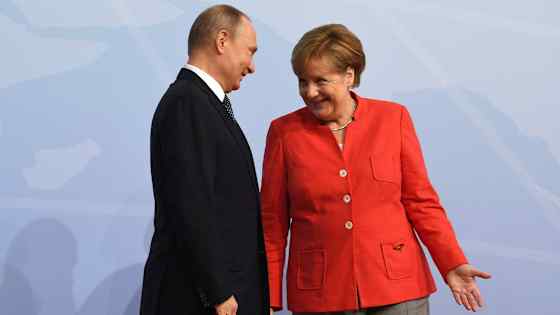
The quick version
The European Union is considering appointing former German Chancellor Angela Merkel or former Italian Prime Minister Mario Draghi as special envoys to engage directly with Russian President Vladimir Putin. This initiative aims to revive diplomatic dialogue and explore new avenues for easing tensions amid the ongoing conflict in Ukraine and stalled peace negotiations.
What happened
As tensions between Russia and the West remain high and formal diplomatic channels largely frozen, the EU is exploring fresh diplomatic strategies. Angela Merkel and Mario Draghi have emerged as frontrunners for a newly proposed role as EU envoys tasked with reopening direct communication with Moscow. Merkel, who led Germany through much of the Ukraine crisis until 2021, has publicly criticized the EU for insufficient use of its diplomatic potential to engage Russia. Draghi, noted for his crisis management skills and economic expertise, is also seen as a credible figure capable of carrying delicate talks.
The EU’s search for an envoy comes amid recognition of the difficulty and high risks involved. Past attempts to communicate with Russia have faced snubs, setbacks, and complex geopolitical challenges, especially surrounding sanctions and differing views on the conflict. The proposed role would require navigating these sensitive issues to find common ground for dialogue.
Why it matters
The EU’s interest in appointing a high-profile envoy signals a desire to break the current diplomatic deadlock with Russia. Since Russia's invasion of Ukraine in February 2022, Western countries have heavily relied on sanctions to pressure Moscow, while direct diplomatic engagement has been limited and cautious.
Engaging Merkel or Draghi could bring credibility and leverage to EU efforts by utilizing their established relationships and reputations in international politics. Re-opening dialogue with Putin may help clarify Russia’s intentions, reduce misunderstandings, and possibly pave the way for renewed peace talks. With the Ukraine conflict causing widespread human suffering and geopolitical instability, any effective diplomatic breakthrough would have significant humanitarian and security implications.
The bigger picture
The Russia-Ukraine war has deeply challenged European security frameworks and the effectiveness of multilateral diplomacy. Western strategies have included economic sanctions, military support for Ukraine, and selective diplomatic engagement. However, the EU’s approach has been criticized for lacking a unified or proactive diplomatic front toward Russia.
Merkel has notably emphasized that Europe’s diplomatic potential remains underutilized, suggesting that dialogue—even with difficult partners like Russia—is necessary to avoid escalation and find avenues toward conflict resolution. This underscores a broader debate within the EU about balancing deterrence with diplomacy.
If the EU appoints a seasoned envoy, it could mark a strategic shift toward more nuanced diplomacy that acknowledges the limits of sanctions alone. However, the position will inevitably involve navigating Moscow’s sensitivities and the risk of perceived concessions, as well as managing internal EU divisions on how best to handle Russia.
What to watch next
Key developments will include the EU’s final decision on whether to appoint an envoy and, if so, which candidate—Merkel, Draghi, or another figure—will be chosen. Equally important will be the response from Moscow, which has often reacted skeptically or negatively to Western diplomatic outreach.
Observers will look for signs that the envoy can open meaningful channels of communication and potentially restart peace negotiations. The envoy’s ability to maintain EU unity and coordinate with ongoing sanctions and military support policies will also be critical for credibility.
Meanwhile, the evolving dynamics of the Ukraine conflict, including battlefield developments and humanitarian conditions, will influence the political environment in which this diplomatic effort unfolds. Success or failure in this initiative could shape the trajectory of European security and the broader international response to the crisis.
Source note
Source: Financial Times via Google News - World. Original report: here
Google News - World
Read the source report