Why Russia’s Truce Talk in Ukraine May Be a Strategic Delay
Russia’s call for a truce in Ukraine may mask a strategic effort to regain strength following recent battlefield setbacks. Analysts suggest that Moscow is using diplomatic overtures primarily to buy time, as its military faces significant challenges on the ground.
The quick version
Russia has recently floated the idea of a truce in the ongoing conflict with Ukraine. However, many analysts and observers caution that this might represent a strategic ploy rather than a genuine effort to cease hostilities. With Russian forces reportedly experiencing setbacks, the diplomacy on display may serve to buy Moscow critical time to regroup and bolster its military capabilities.
What happened
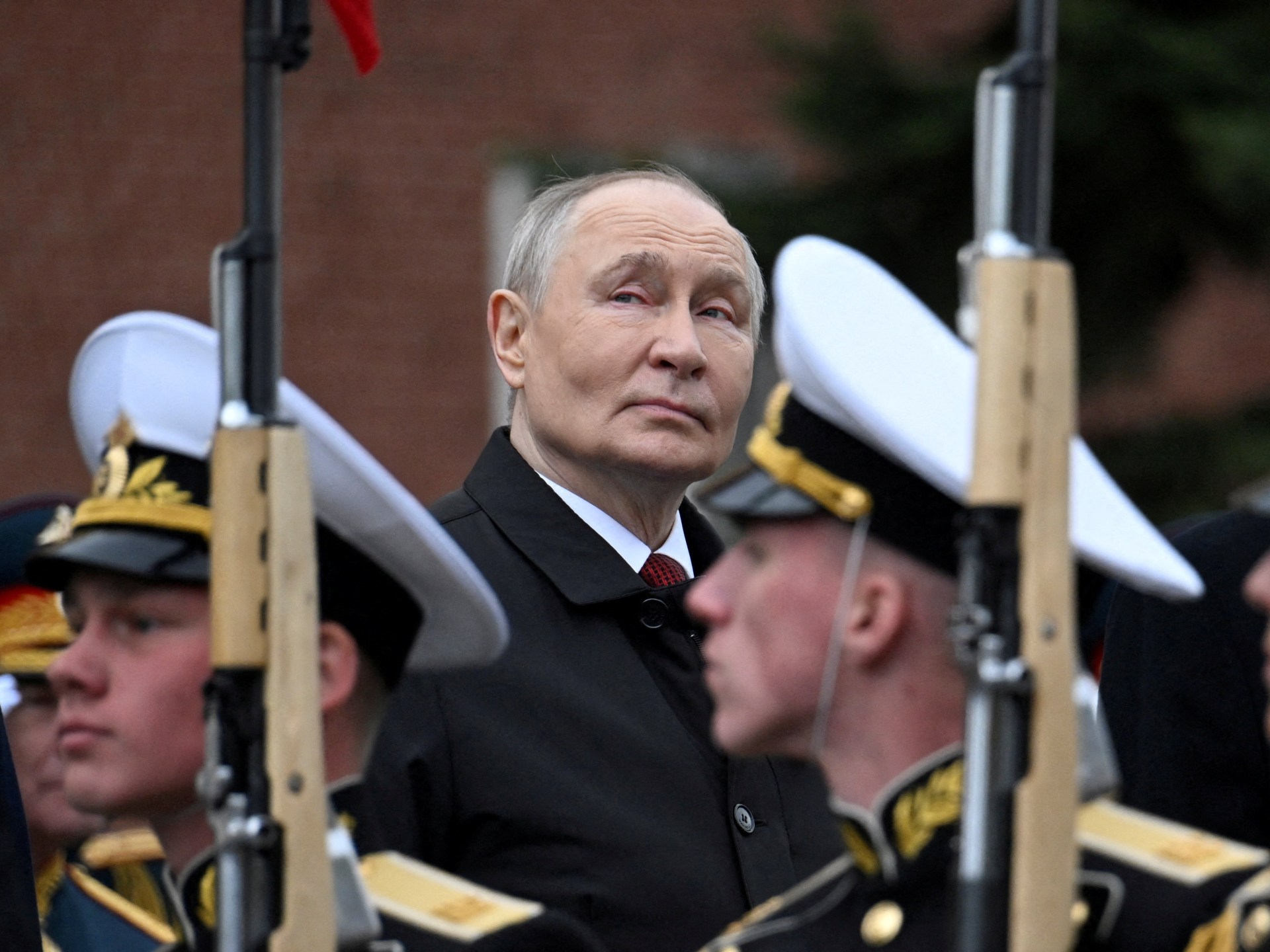
In recent weeks, Russian President Vladimir Putin has publicly proposed talks toward a truce, raising hopes internationally for a potential pause in the devastating war in Ukraine. Despite these statements, reports from the battlefield indicate that Russian troops are increasingly under pressure and facing tactical difficulties. Western and independent analysts note that Moscow appears to be on the back foot militarily, struggling to maintain momentum against Ukrainian forces.
This divergence between diplomatic signaling and military reality has sparked debate. Some experts argue that Russia’s truce gestures are not yet sincere peace initiatives but rather a form of “simulated diplomacy” designed to slow or stall Ukraine’s advances and buy time for Russian forces to rearm or reposition.
Why it matters
Interpreting Russia’s intentions correctly is essential for the ongoing conflict and international peace efforts. If the truce talk is a genuine move toward peace, it could open the door for negotiations that save lives and prevent further destruction. Conversely, if the diplomacy is a tactical ruse, it risks prolonging the conflict by misleading Ukraine, mediators, and global stakeholders.
A false or temporary ceasefire could enable Moscow to replenish supplies, rotate troops, and prepare for renewed offensives. This dynamic affects not only Ukraine and Russia but also the security calculations of NATO countries and regional neighbors wary of instability spreading. Humanitarian concerns are also paramount, as delays in resolving conflict duties heighten civilian suffering and prolong displacement.
The bigger picture
The war in Ukraine has been marked by shifting momentum since Russia’s initial incursions. Early advances by Moscow faced unforeseen resistance from Ukrainian forces, leading to attritional fighting and territorial contestation. The recent discussion of a truce may signal Moscow’s acknowledgment of operational difficulties and a need to reassess strategy.
Historically, states engaged in prolonged conflicts sometimes engage in diplomatic activity that functions more as a tactical pause than a genuine peace effort. Such pauses can be used to save political face, manage domestic pressures, and reconfigure military deployments. The ongoing conflict in Ukraine is no exception to this pattern.
International actors and mediators must therefore scrutinize Moscow’s diplomatic moves carefully. Distinguishing between genuine negotiation attempts and strategic delay is crucial for crafting an effective international response and supporting Ukraine’s sovereignty and stability.
What to watch next
Key indicators to follow in the coming weeks include:
- How Ukraine and its Western allies respond to Russia’s calls for a truce, including whether they engage seriously or reject the overtures as insincere.
- Any shifts in Russian military deployment, such as troop withdrawals, reinforcements, or changes in frontline activity that suggest preparations for renewed operations rather than de-escalation.
- Developments in diplomatic engagement involving Ukraine, Russia, and international organizations like the United Nations, the OSCE, or mediators seeking to facilitate dialogue.
- Statements and speeches from Russian officials, including President Putin, that clarify Moscow’s objectives and willingness to pursue lasting peace versus temporary tactical pauses.
These elements will shed light on whether Russia’s truce talk marks a turning point or simply a maneuver to preserve its position amid military challenges.
Source note
This explainer is based on reporting by Al Jazeera, published on May 20, 2026: here
Al Jazeera
Read the source report