Why Iran’s Threat to Expand Conflict Matters Globally Now
Iran warned that renewed US and Israeli attacks could spread the Middle East conflict beyond the region, escalating tensions with worldwide impact across geopolitics, energy, and security.
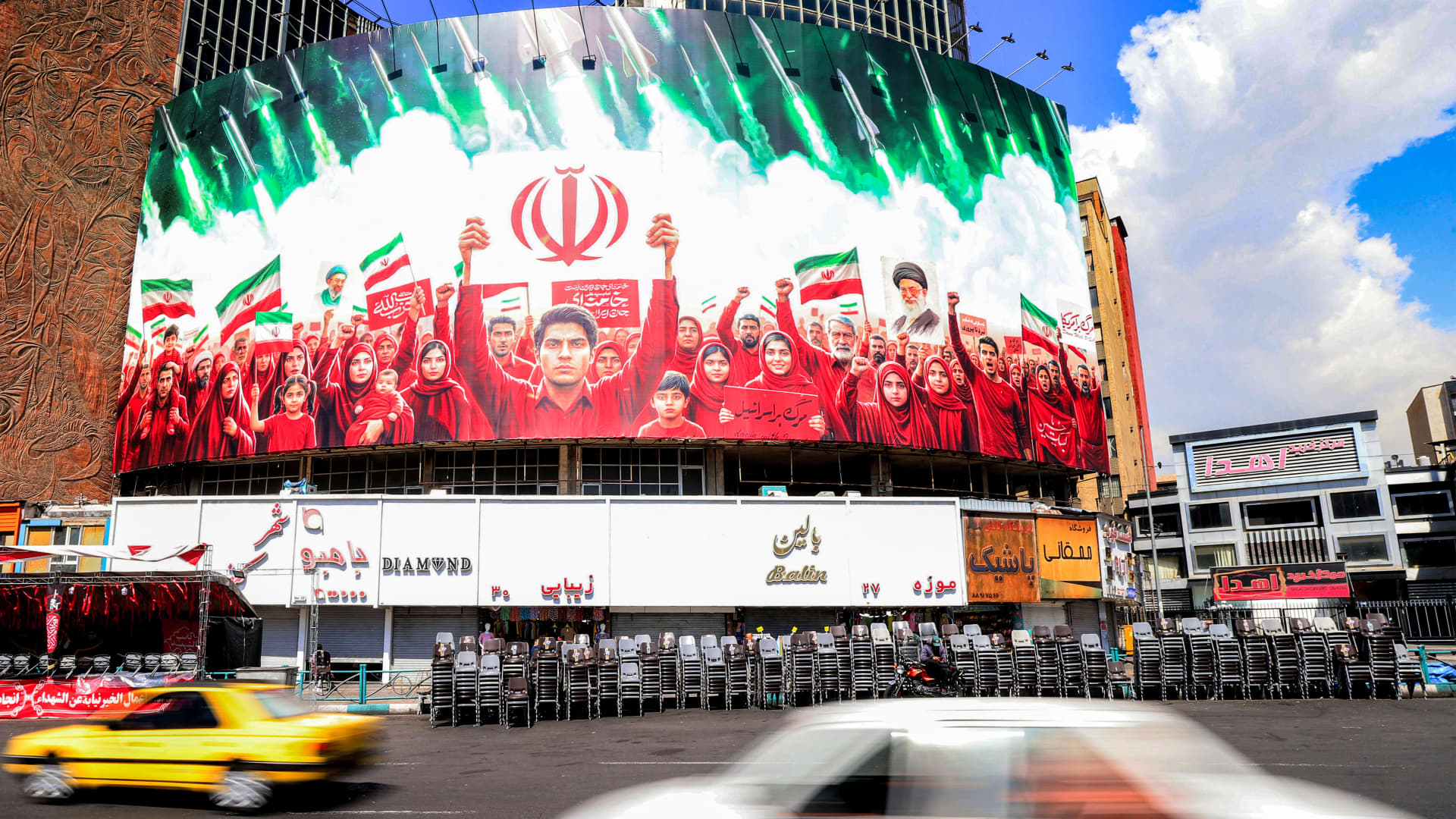
The quick version
Iran’s Revolutionary Guard on Wednesday issued a stark warning that any renewed military or covert attacks by the United States or Israel on Tehran could turn the ongoing Middle East tensions into a larger conflict reaching beyond regional borders. This announcement signals Tehran’s readiness to escalate confrontations, raising serious concerns about stability not only in the Middle East but also globally.
What happened
On May 20, 2026, Iran’s Revolutionary Guard publicly threatened to expand the scope of conflict if the US or Israel resumed attacks targeting Iranian interests. These attacks could include airstrikes, cyber operations, or support for proxy groups. The warning reflects Tehran’s determination to retaliate decisively in the face of perceived aggression and serves as a deterrent against further strikes. This statement comes amid heightened tensions over Iran’s nuclear activities and ongoing skirmishes involving proxy militias aligned with Tehran.
Why it matters
Iran’s threat to push the conflict beyond the Middle East has far-reaching implications. The Middle East is crucial to the global supply of oil and gas; any escalation could disrupt energy markets, driving up prices and affecting economies worldwide. Moreover, a wider conflict risks involving other regional powers and international actors, potentially destabilizing geopolitical alliances. Countries reliant on Middle Eastern energy exports or trade routes may face increased uncertainty and economic volatility. The threat also heightens security concerns as conflict spillover could affect areas far from Iran’s immediate neighborhood.
The bigger picture
The tensions between Iran, the US, and Israel stem from longstanding issues, including Iran’s controversial nuclear program, its support for proxy militias across the region, and competing geopolitical interests. In recent years, there have been numerous attacks attributed to these parties, including targeted strikes on Iranian facilities and retaliatory actions by Iran-backed groups. This dynamic creates a fragile and volatile security environment where any miscalculation could ignite a broader war. The Revolutionary Guard’s warning underscores this fragility and the risk that local conflicts in places such as Syria, Lebanon, and Iraq could escalate into wider confrontations involving global powers.
What to watch next
Key indicators to monitor include any reported US or Israeli military or intelligence operations against Iran or its affiliates, and Iran’s response through its Republican Guard or proxy militias. International diplomatic initiatives, including interventions by the United Nations or major world powers like Russia and China, will be crucial in de-escalating tensions. Additionally, global energy markets and security assessments should be observed closely for signs of disruption. Diplomatic channels remain essential to avoid a spiral into full-scale conflict, with attention on potential negotiations or confidence-building measures between involved parties.
Source note
Source: CNBC World, original article published May 20, 2026. Link: here
CNBC World
Read the source report