Why India’s Education Minister Resigned Amid ‘Cockroach’ Protests
India’s education minister stepped down after weeks of nationwide protests sparked by a controversial comment labeling political opponents as "cockroaches." This resignation highlights mounting political tensions and the growing influence of public dissent in India’s governance.
The quick version
India’s education minister resigned after facing intense public backlash and protests triggered by his use of the word "cockroach" to describe a rival political group. The protests quickly spread across the country, prompting calls for his resignation. This event underscores the volatile nature of political discourse in India and the impact of inflammatory language on social cohesion.
What happened
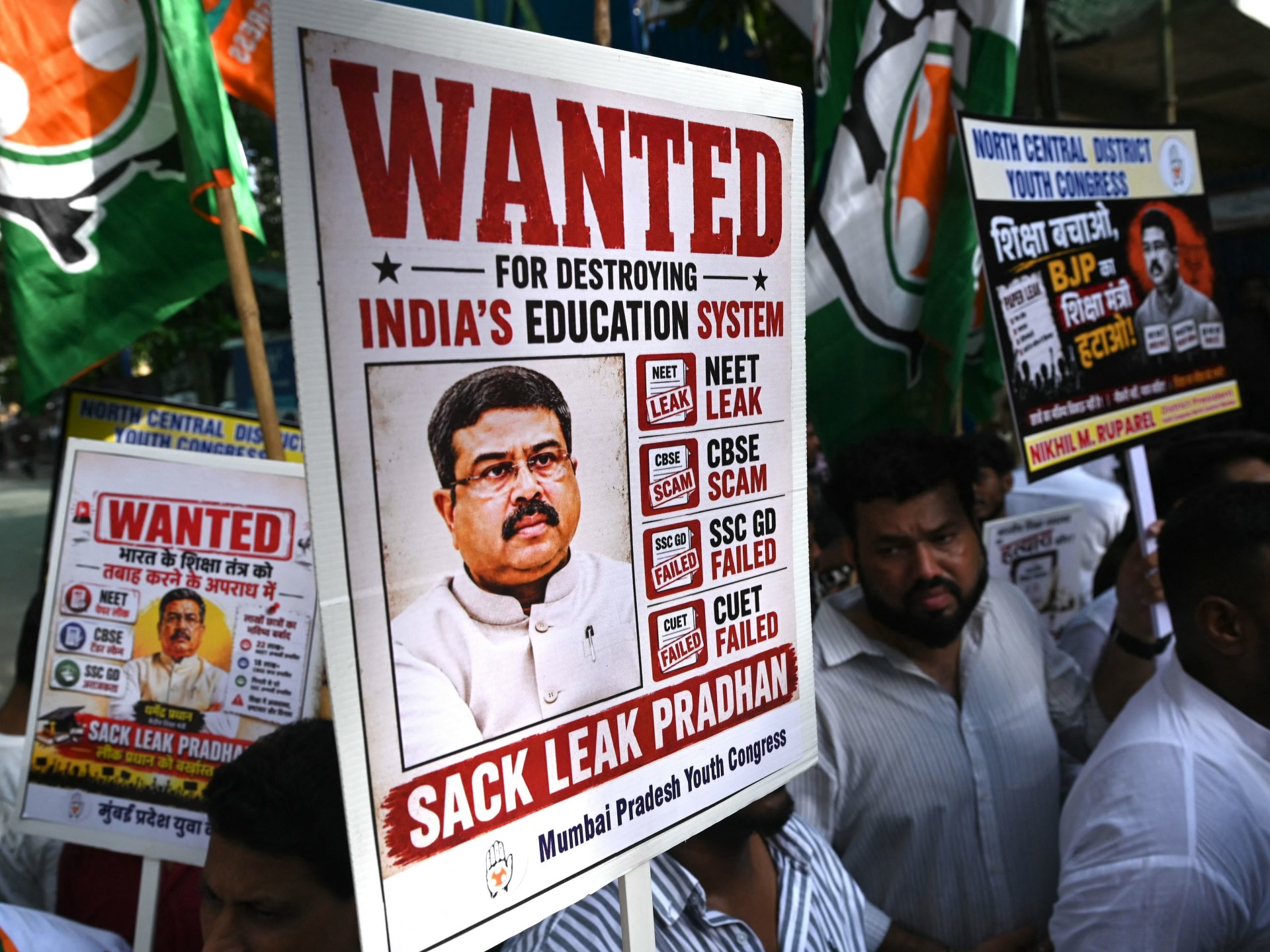
The resignation followed weeks of sustained demonstrations across multiple states. The education minister had referred to an opposition-aligned political faction as "cockroaches," a term widely perceived as highly offensive and dehumanizing. The statement caused an immediate outcry from opposition leaders, civil society groups, and ordinary citizens alike, who condemned it as reckless and divisive. Protesters took to the streets demanding that the minister be held accountable and that respect be restored to India’s political dialogue. As the protests escalated, pressure mounted on the government to respond decisively. Ultimately, the minister stepped down in an effort to quell tensions and restore some measure of calm.
Why it matters
The resignation shines a light on the deep political polarization currently gripping India. The controversy reveals how charged rhetoric can inflame public emotions and lead to social unrest. With education being a critical and sensitive sector, the departure of the minister not only creates a leadership vacuum but also raises questions about policy continuity and governance stability in a key area that shapes the country's future. Furthermore, it signals to politicians the potential consequences of reckless language, emphasizing the role of public accountability in a democracy. The incident also adds to ongoing debates about the limits of free speech versus the responsibility of leaders to promote respectful and inclusive dialogue.
The bigger picture
India’s political landscape has grown increasingly fractious in recent years, with political figures frequently using incendiary language against rivals. This trend has contributed to heightened social divisions and periodic unrest. The education minister’s comment and subsequent resignation exemplify the challenges the Indian government faces in balancing robust political competition with maintaining social harmony. Moreover, the event may have broader implications for how the ruling party and opposition engage with each other moving forward, particularly in the lead-up to upcoming elections. It could also influence how political rhetoric is regulated or discouraged by party leadership. As education reforms and policies continue to be a political battleground, the leadership change may affect the trajectory of ongoing initiatives and the sector's future priorities.
What to watch next
Attention now turns to the appointment of a new education minister and their approach to rebuilding trust and managing fallout from the protests. Observers will look to see if the government enacts measures to tone down divisive rhetoric in political discourse or adopts more conciliatory strategies for dealing with opposition groups. The public’s response to the new leadership and whether protests subside or intensify will be telling. Additionally, any shifts in education policy or changes in communication style coming from the ministry will be important to monitor. Given the political sensitivity surrounding this issue, further demonstrations or political clashes are possible, which could influence India’s broader social and political environment in the months ahead.
Source note
Information sourced from Al Jazeera’s report "India’s education minister resigns after weeks of ‘Cockroach’ protests" available at here
Al Jazeera
Read the source report