Why Ebola Deaths Are Surging and What It Means Globally
Suspected Ebola deaths have risen to 139 with 600 cases reported. The WHO warns that the outbreak is worsening and numbers will climb further.
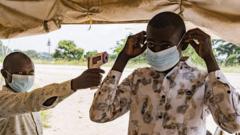
The quick version
Ebola deaths and infections are sharply increasing in the latest outbreak, raising urgent concerns about the challenges of controlling the situation. The World Health Organization (WHO) has issued warnings that these numbers will continue to rise before any improvement is seen.
What happened
According to the latest update from the World Health Organization, there have now been 139 suspected deaths along with around 600 suspected cases of Ebola. This reflects a rapid escalation in both the scale and severity of the outbreak. Ebola, caused by the Ebola virus, is a severe and often fatal illness with a high mortality rate. The WHO’s report signals that the situation is worsening, and they expect that both case numbers and fatalities will increase further in the near term.
Why it matters
Ebola is a devastating disease that spreads through direct contact with bodily fluids from infected people or contaminated objects. Its high fatality rate, often reaching up to 50% or more in past outbreaks, makes it a critical public health threat. As cases climb, health systems in affected areas — often already fragile — face extreme strain. This jeopardizes not only Ebola patients but also the broader population by limiting access to essential healthcare services.
The rising outbreak threatens to destabilize local communities by causing widespread illness, fear, and economic disruption. Moreover, delaying containment efforts can increase the risk of the virus spreading beyond current zones, raising the possibility of regional or international transmission. This highlights the importance of early detection, rapid response, and effective community engagement to prevent a larger crisis.
The bigger picture
Ebola outbreaks typically emerge in regions with limited healthcare infrastructure, remote populations, and challenges in timely disease surveillance. This outbreak underscores persistent vulnerabilities such as delayed reporting, difficulties in reaching affected communities for treatment and education, and mistrust of health officials which can hamper containment efforts.
Historically, Ebola outbreaks have resulted in severe social and economic fallout. The virus not only causes illness and death but disrupts daily life, agriculture, trade, education, and overall development. The international community’s coordinated response and resource mobilization have been essential in previous outbreaks to prevent catastrophic consequences. Given the current escalation, a swift and comprehensive global health response remains crucial.
What to watch next
The trajectory of this outbreak will depend heavily on the speed and effectiveness of local and international responses. Key indicators to monitor include the daily numbers of new suspected cases and deaths reported by the WHO and local health authorities.
Important measures such as vaccination campaigns targeting at-risk populations, improved surveillance, community education, and infection control protocols will be critical to curbing transmission. Additionally, the implementation of travel restrictions or screening programs may be utilized to limit spread beyond affected areas.
The world should watch closely for announcements of new interventions by the WHO, local governments, and partner organizations working on the ground. How quickly these containment measures can be applied and gain community acceptance will shape the unfolding of this public health threat.
Source note
Information summarized from the BBC World News article, "More die of suspected Ebola as WHO warns that numbers will rise further" available at here
BBC World
Read the source report