Why Ceuta Residents Stopped a Far-Right Anti-Migrant Rally
Hundreds in Spain's Ceuta firmly rejected a far-right anti-migrant rally, highlighting widespread local opposition to extremist views. This moment reveals deep tensions over migration in sensitive border areas and showcases community resilience against divisive politics.
The quick version
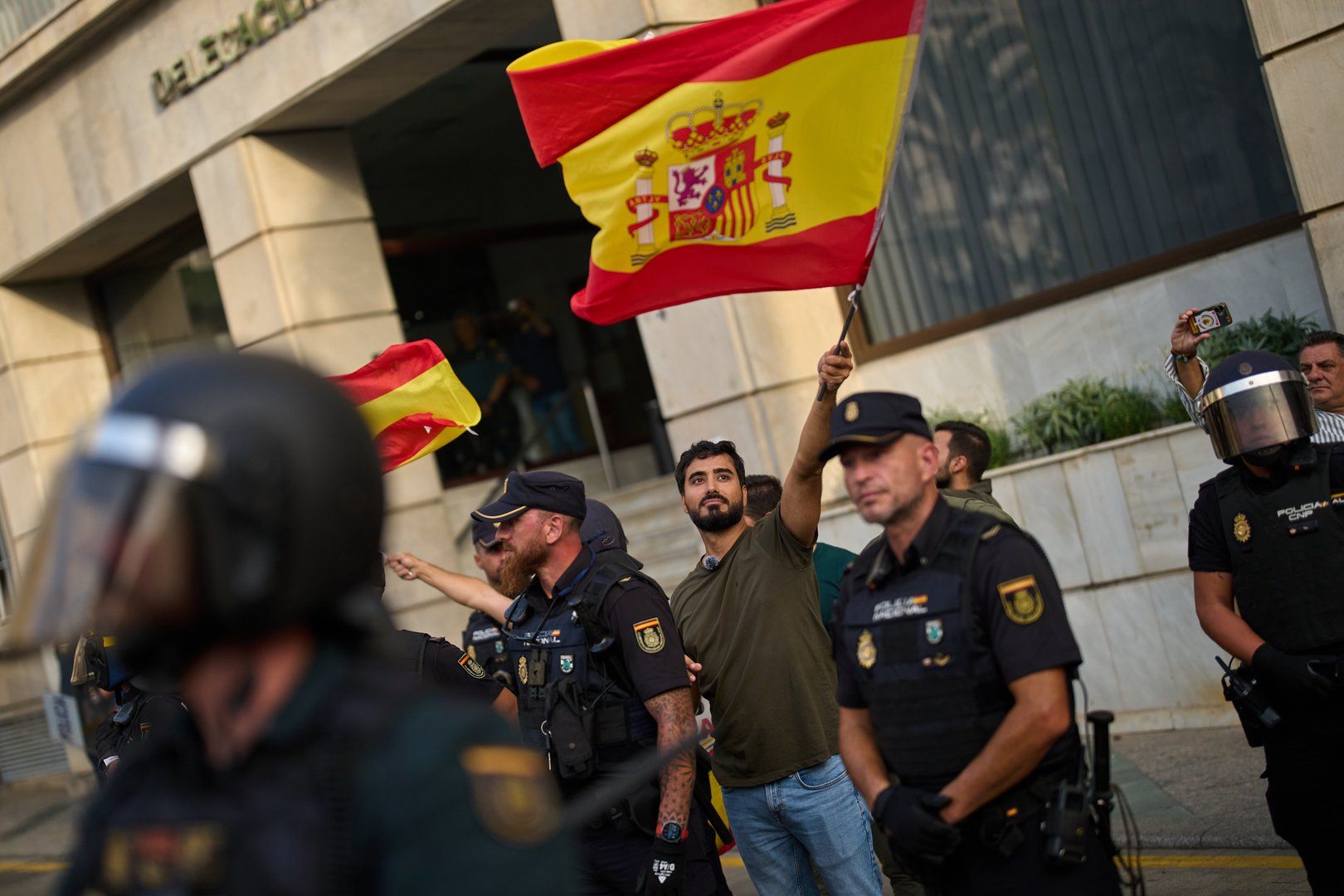
Hundreds of residents in Ceuta, a Spanish enclave on the North African coast, came together to oppose and effectively shut down a planned far-right anti-migrant rally. Their unified actions demonstrated a decisive stand against extremist views and the use of migration as a political tool in this highly sensitive border area.
What happened
Ceuta, located just across the Strait of Gibraltar from mainland Spain, has long been a gateway for migrants attempting to enter Europe. Recently, far-right groups announced plans to hold an anti-migrant protest in the city. These groups are known for their strong anti-immigration stances and aim to capitalize on local tensions to push their agendas.
However, hundreds of local residents mobilized quickly to counter the demonstration. They gathered peacefully to show their rejection of the far-right rally and to express solidarity with migrants and the broader community. This collective action led to the cancellation or dispersal of the planned protest. The event underscored the determination of Ceuta’s residents to prevent hate speech and political extremism from taking root in their city.
Why it matters
Ceuta sits at a crucial geopolitical and humanitarian crossroads, serving as a key entry point for thousands of migrants each year trying to reach Europe. Migration is a highly charged issue in the city, often stirring social tensions.
The ability of local communities to come together against far-right movements signals a strong resistance to narratives that seek to scapegoat migrants and foster division. This episode highlights the stakes involved: far-right activism risks exacerbating ethnic and social fractures in places where peaceful coexistence is vital.
The bigger picture
Ceuta, alongside Spain’s other North African enclave Melilla, has been a longstanding focal point for migration flows from Africa into Europe. The enclaves are often flashpoints for border incidents and political controversy.
Far-right groups across Europe frequently exploit such tensions by organizing protests and spreading anti-immigrant rhetoric, sometimes resulting in violence and social unrest. The residents’ response in Ceuta represents a pushback against these efforts and reflects wider challenges faced by border communities balancing security concerns and humanitarian responsibilities.
This incident is part of a larger narrative involving migration management, national identity, and the rise of far-right political movements in Europe that seek to influence public opinion and policy through provocative actions.
What to watch next
It will be important to monitor whether far-right groups attempt further rallies or demonstrations in Ceuta or other migration hotspots like Melilla. Authorities’ handling of these events, as well as ongoing community responses, will be crucial indicators of social cohesion and public safety in these sensitive regions.
The situation in Ceuta also relates to broader European debates on migration policy, border security, and integration strategies. How the Spanish government and international actors address these issues might shape the future dynamics of migration management and community relations not only in Ceuta but across the continent.
Source note
This report is based on information from Al Jazeera. The original article is available at here
Al Jazeera
Read the source report