Why California Farmers Are Destroying Lettuce Amid Parasite Outbreak
California lettuce farms are plowing crops under due to a Cyclospora parasite outbreak, disrupting supplies and driving shoppers to farmers markets.
The quick version
California lettuce growers have been forced to destroy healthy-looking lettuce crops in response to an outbreak of Cyclospora, a parasite linked to severe gastrointestinal illness. This urgent measure aims to contain the parasite and prevent further illness but has disrupted lettuce supplies across the U.S., leading consumers to seek alternative sources like farmers markets.
What happened
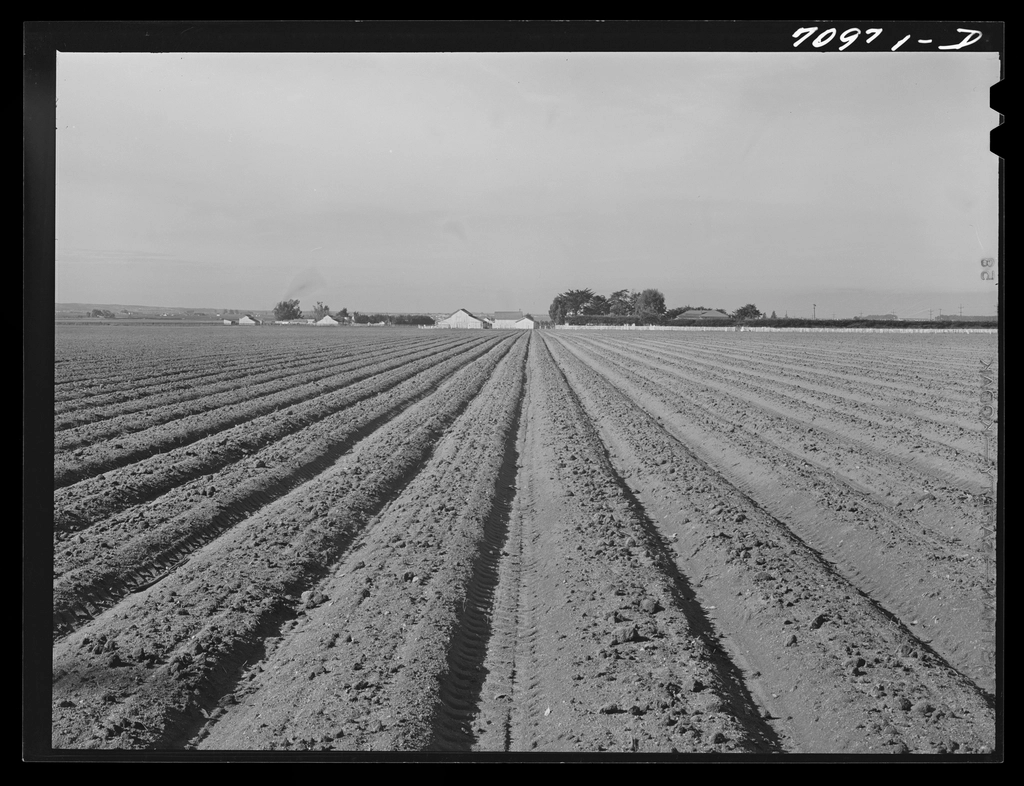
An outbreak of Cyclospora, a microscopic parasite that causes cyclosporiasis, has emerged in California’s lettuce-growing regions. Despite the lettuce crops appearing visually perfect and ready for harvest, farmers have halted picking and have instead plowed many fields back into the soil. The decision comes as health officials link several recent illness cases to contaminated leafy greens.
Cyclospora infection results in explosive diarrhea, cramping, nausea, and dehydration, posing significant public health risks. Controlling the outbreak requires removing potential produce contamination sources immediately. As a result, millions of pounds of lettuce have been destroyed to curb the parasite’s spread.
Why it matters
Lettuce is a fundamental component of the American diet, commonly used in salads, sandwiches, and fast food. Interruptions in its supply impact grocery retailers and restaurants and raise prices due to limited availability. For consumers, these shortages have led some to shift shopping habits, opting for farmers markets where produce is perceived as safer or coming from smaller, more traceable operations.
Farmers face financial challenges from the losses incurred by destroying crops that would otherwise have generated income. This outbreak shines a light on the fragile nature of large-scale produce supply chains and the difficulties in managing contamination after crops are grown.
The bigger picture
The Cyclospora outbreak in California underscores vulnerabilities in the fresh produce industry, including how easily pathogens can contaminate leafy greens. These crops are particularly challenging to sanitize due to their delicate nature, and outbreaks like this reveal gaps in preventative measures.
In recent years, consumer demand for fresh, convenient vegetables has soared, making lettuce a high-volume commodity. Consequently, any disruption risks not only supply shortages but also erodes public confidence in produce safety. This can prompt longer-term shifts in food purchasing behaviors and greater scrutiny on agricultural practices.
Moreover, regulatory agencies and farmers must invest in improved detection methods, better irrigation hygiene, and more stringent safety protocols to prevent future outbreaks. The economic ripple effects extend through various sectors—from farm laborers and suppliers to retailers and consumers.
What to watch next
Authorities and growers will continue to monitor Cyclospora’s presence in California and across other growing regions. Updates are expected regarding containment strategies, possible recalls of contaminated produce, and adjustments to food safety regulations.
Consumers and retailers will be watching how quickly the lettuce supply stabilizes and whether prices normalize. The popularity surge of farmers markets may continue if shoppers maintain concerns about supermarket produce safety.
Future measures could include enhanced testing, improved traceability of leafy greens, and public education about food handling to reduce risks. How these policies evolve will shape the resilience of produce supply chains going forward.
Source note
This article is based on reports from the New York Post and linked coverage from WSJ, Time Magazine, Fox News, and FOX19 Cincinnati. Original source: here
Google News - Business
Read the source report