Why Billy Joel Opposes Unauthorized Biopic and What It Means
Billy Joel strongly condemns the upcoming biopic about his early life, calling it 'legally and professionally misguided,' raising questions on music rights and artistic control.
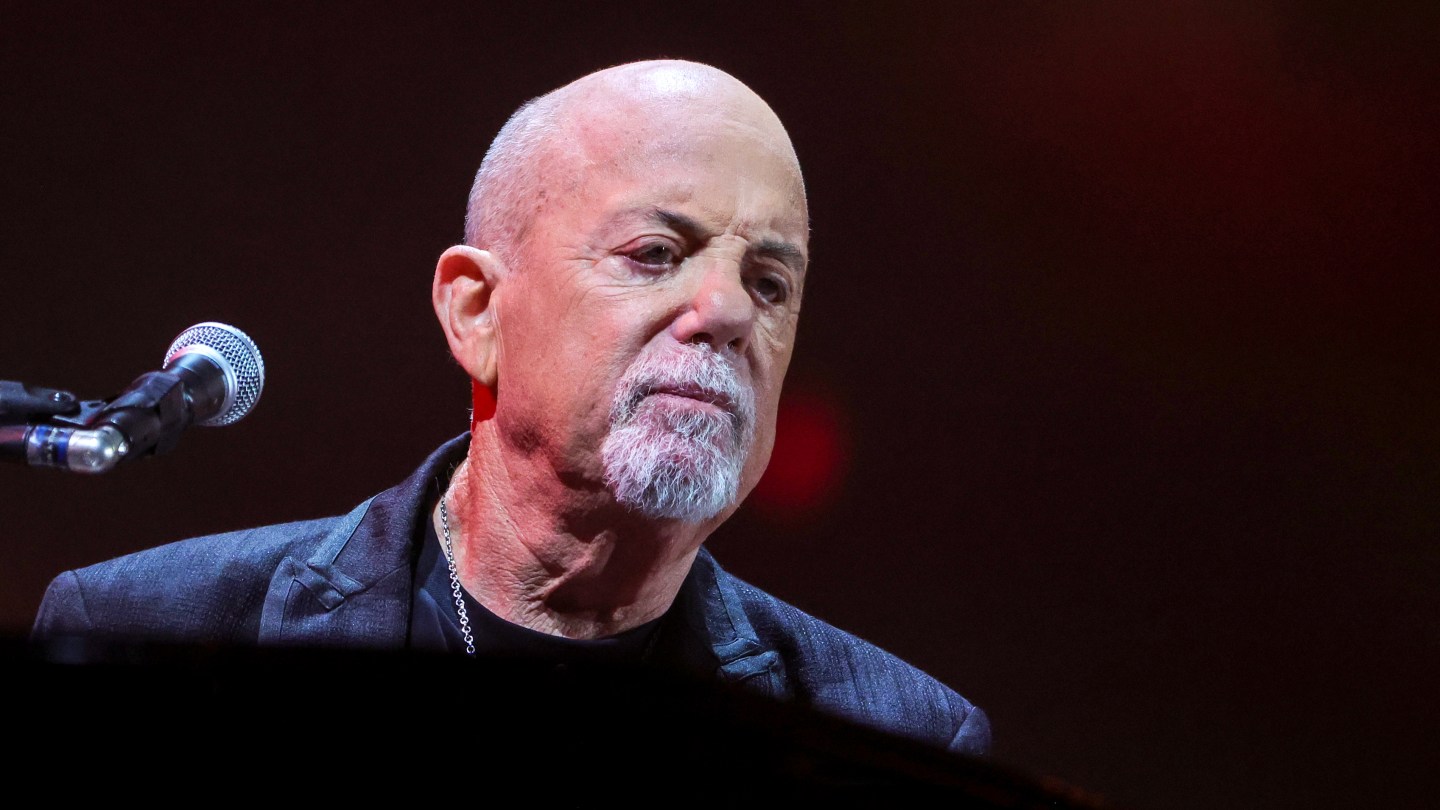
The quick version
Billy Joel has publicly condemned an unauthorized biopic about his early years titled "Billy and Me," describing the project as “legally and professionally misguided.” Joel and his representatives have emphasized that the production lacks the necessary rights to his music, which are essential to telling an authentic story about his life and career.
What happened
The biopic "Billy and Me" aims to portray Billy Joel's formative years, but Joel has voiced strong opposition to the project. His team stated that the film does not have his consent, nor has it secured the legal rights to use his music catalog. This lack of approval means the producers cannot include the iconic songs that define Joel’s career or capture the full essence of his story. Joel’s rejection also highlights concerns over unauthorized portrayals and the potential for inaccurate or incomplete storytelling without artist involvement.
Why it matters
This dispute sheds light on the complex intersection of intellectual property rights, artist consent, and biographical storytelling in the entertainment industry. Music rights are not only a legal issue but also fundamental to the authenticity and emotional resonance of musicians’ biopics. Without access to an artist’s original music, biographical films risk feeling incomplete or less compelling, which can affect how audiences connect with the story. For Billy Joel, whose music and identity are deeply intertwined, controlling the narrative around his legacy remains a priority.
The bigger picture
Unauthorized biopics have become increasingly common as studios and producers seek to capitalize on popular figures without formal cooperation. However, such productions often encounter legal challenges or public backlash from the subjects themselves. Joel’s firm stance is part of a broader debate in the entertainment world about protecting the personal and creative rights of living artists. This case may prompt wider discussions about the ethics of unauthorized storytelling and the importance of ensuring that artists have a say in how their lives and art are represented on screen.
What to watch next
Industry observers and fans should watch closely whether the producers attempt to secure licenses for Joel’s music through court rulings or negotiations. The outcome could influence how music biopics are approached, especially for high-profile figures who guard their artistic legacies. Additionally, any public updates from Billy Joel or his management may reveal plans for an authorized biopic or other projects that properly reflect his life and career. How this situation evolves could set important precedents around creative control and artist rights in film adaptations.
Source note
Information based on coverage by The Hollywood Reporter, Variety, The Guardian, Newsday, and People.com as aggregated via Google News. Original reporting link: here
Google News - Entertainment
Read the source report